
Buy Doxycycline Online – Safe and Affordable Therapy for Bacterial Diseases
Doxycycline is a broad-spectrum tetracycline antibiotic widely used in clinical practice, including urology, for the management of acute and chronic infectious and inflammatory conditions of the genitourinary tract. By inhibiting bacterial protein synthesis, it provides reliable antimicrobial activity against a wide range of pathogens with good tissue penetration. This well-established pharmacological profile makes doxycycline a trusted option in long-term and targeted treatment strategies, supporting consistent clinical outcomes across diverse urological indications.
| Product Name | Dosage | Price | Where To Buy |
|---|---|---|---|
| Doxycycline (Vibramycin Generic) | 100 mg, 200 mg | $67.56 | OnlinePharmacy |
Content:
- Doxycycline - A Clinically Relevant Antibiotic in the Management of Urogenital Infections
- Pharmacological Properties and Antimicrobial Activity Against Uropathogens
- Clinical Indications for Doxycycline Use in Urology
- Mechanism of Action in the Treatment of Bacterial Urogenital Infections
- Use of Doxycycline in Acute and Chronic Urinary Tract Infections
- Role of Doxycycline in the Treatment of Sexually Transmitted Infections
- Evaluation of Clinical Effectiveness Based on Urological Practice and Studies
- Pharmacokinetics and Tissue Penetration in the Urogenital System
- Dosing Regimens and Administration in Urological Patients
- Safety Profile, Contraindications, and Patient Counseling
- Access to Doxycycline and Practical Considerations for Patient Use
- Price Comparison and Availability of Doxycycline in Online Pharmacies
- Generic Alternatives and Therapeutic Equivalents of Doxycycline
- The Role of Doxycycline in Modern Urological and Andrological Practice
Doxycycline - A Clinically Relevant Antibiotic in the Management of Urogenital Infections
Doxycycline occupies a distinguished position among oral antibiotics used in the management of urogenital infections due to its broad antimicrobial spectrum, favorable pharmacokinetic profile, and long-standing track record in clinical practice. As a semi-synthetic tetracycline derivative, it combines potent activity against classical uropathogens with reliable coverage of atypical and intracellular organisms that frequently colonize or infect the urogenital tract. This duality makes doxycycline a particularly attractive option in scenarios where infection is polymicrobial, recurrent, or associated with sexually transmitted pathogens that localize in the urethra, cervix, prostate, epididymis, or pelvic tissues. The drug’s excellent oral bioavailability and tissue penetration provide predictable systemic exposure, which supports its role as a dependable component of modern urogenital pharmacotherapy.
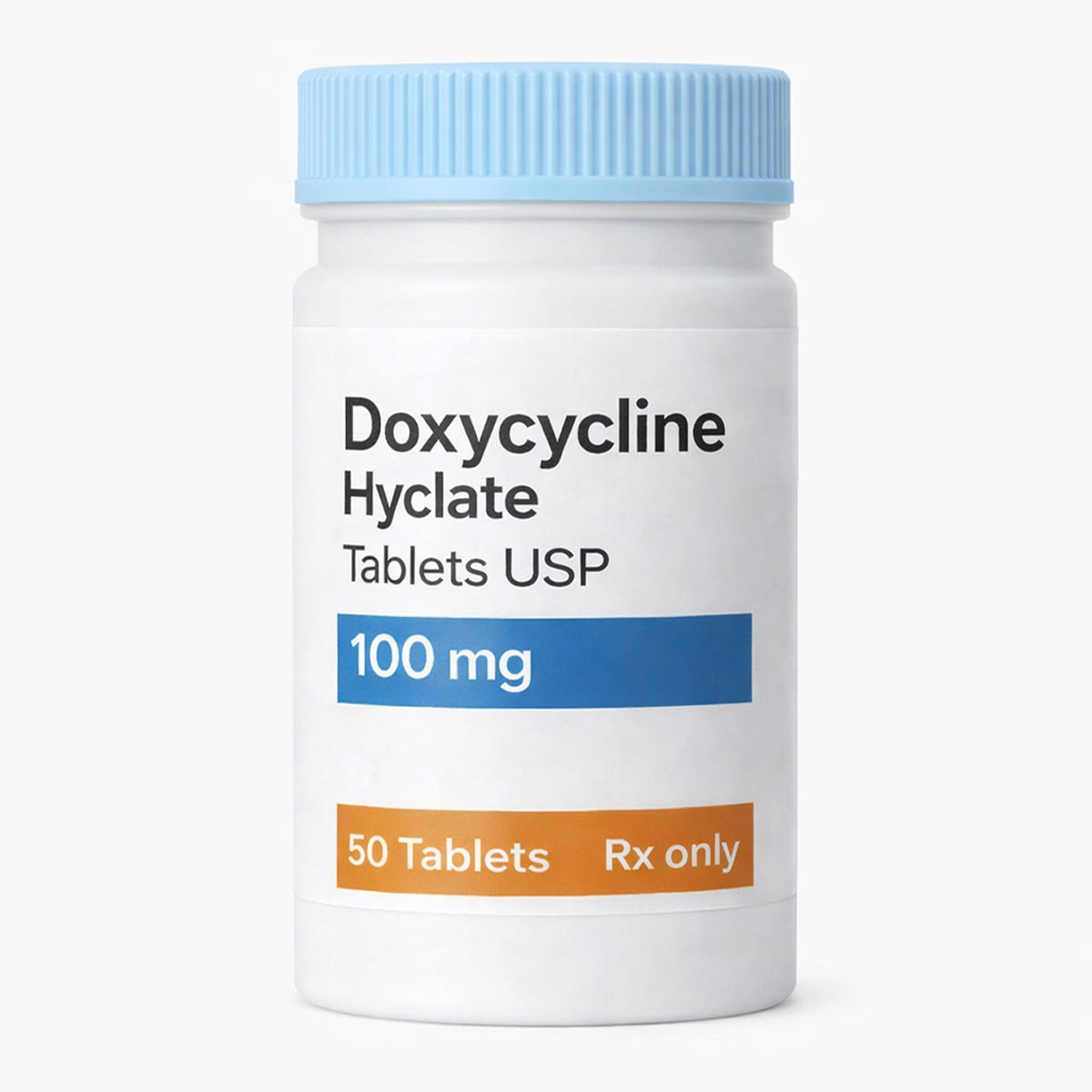
One of the defining strengths of doxycycline in urogenital medicine lies in its capacity to address both urinary tract infections and sexually transmitted infections within a single therapeutic framework. Many patients present with overlapping clinical syndromes, such as urethritis combined with lower urinary tract symptoms, or chronic prostatitis accompanied by pelvic pain and sexual dysfunction. In such contexts, a single agent capable of reaching high concentrations in urine, prostatic fluid, seminal plasma, and vaginal secretions offers tangible clinical advantages. Doxycycline demonstrates sustained inhibitory activity against Chlamydia trachomatis, Ureaplasma urealyticum, Mycoplasma genitalium, and a range of Gram-positive and Gram-negative bacteria implicated in urogenital pathology, thereby consolidating treatment strategies and decreasing the need for complex multidrug regimens.
The pharmacological profile of doxycycline also aligns well with the demands of outpatient urogenital care. Its long half-life permits convenient once- or twice-daily dosing, supporting adherence over treatment courses that may extend for several weeks in chronic or deep-seated infections. The drug maintains high bioavailability regardless of whether it is administered in a hospital or community setting, and its lipophilicity enables effective penetration into tissues that are often challenging for other antimicrobials, such as the prostate and epididymal structures. These characteristics are particularly valued in andrology and urology, where underpenetration of drugs into target tissues can result in persistent symptoms, bacterial persistence, and frequent relapses.
Another aspect that elevates doxycycline in the hierarchy of urogenital antimicrobials is its comparatively favorable tolerability profile and long history of use, which have generated a robust body of safety and efficacy data. Over decades, numerous clinical studies and real-world observations have documented consistent outcomes in acute urethritis, cervicitis, pelvic inflammatory processes of infectious origin, and chronic inflammatory conditions of the male genital tract. While no antibiotic is devoid of adverse reactions or limitations, the balance between efficacy, safety, and practicality is particularly advantageous for doxycycline in the context of urogenital infections. This balance contributes to its enduring presence in national and international therapeutic algorithms targeting sexually transmitted and urinary tract pathogens.
From a broader perspective, doxycycline serves as a strategic antimicrobial resource at the intersection of infectious disease, urology, and andrology. Its spectrum, pharmacokinetics, and tissue distribution enable rational use across a wide range of clinical scenarios, from uncomplicated urethritis to complicated chronic prostatitis and epididymo-orchitis associated with sexually transmitted organisms. The drug’s availability in multiple generic formulations, its compatibility with outpatient management, and its adaptability to diverse healthcare systems further enhance its practical value. As resistance patterns evolve and urogenital pathogens adapt, doxycycline remains a cornerstone option whose thoughtful integration into treatment pathways helps preserve therapeutic effectiveness for complex and recurrent infections of the genitourinary tract.
Pharmacological Properties and Antimicrobial Activity Against Uropathogens
Doxycycline is a second-generation tetracycline characterized by high lipophilicity, strong plasma protein binding, and a prolonged elimination half-life that typically ranges from 16 to 22 hours in individuals with normal renal function. These parameters enable sustained systemic exposure after oral administration and support once- or twice-daily dosing schedules. The drug is absorbed rapidly from the gastrointestinal tract, with bioavailability often exceeding 90 percent, and food has a relatively modest impact on total exposure compared with older tetracyclines. Doxycycline is largely eliminated via the gastrointestinal route, which reduces dependence on renal excretion and allows its use in patients with varying degrees of renal impairment without major dose adjustments in many clinical contexts.
From a microbiological standpoint, doxycycline displays broad-spectrum activity that encompasses Gram-positive cocci, certain Gram-negative bacilli, anaerobes, and a wide range of atypical and intracellular organisms. Its relevance for urogenital infections stems from reliable activity against Chlamydia trachomatis, Ureaplasma spp., Mycoplasma spp., and several Enterococcus and Staphylococcus species that may colonize the lower urinary tract and genital mucosa. Although resistance among Enterobacterales such as Escherichia coli can limit utility for some uncomplicated urinary tract infections, doxycycline still exerts meaningful inhibitory effects against selected strains, particularly those with preserved tetracycline susceptibility. This combined activity against both classical and atypical uropathogens reinforces the drug’s role in mixed or diagnostically uncertain urogenital syndromes.
At the molecular level, doxycycline exerts its antibacterial effect by binding reversibly to the 30S ribosomal subunit, thereby blocking the attachment of aminoacyl-tRNA to the ribosomal acceptor site and suppressing protein synthesis. This mechanism is bacteriostatic rather than bactericidal, yet it is highly effective in clinical practice, especially against pathogens that rely on intracellular survival. In the urogenital tract, organisms such as Chlamydia trachomatis and Mycoplasma genitalium inhabit mucosal epithelium and subepithelial tissues where they are less accessible to hydrophilic drugs. Doxycycline’s lipophilic character and strong cellular penetration enable it to reach these intracellular niches, maintaining inhibitory concentrations that gradually reduce bacterial replication and facilitate immune-mediated clearance.
- High oral bioavailability and long half-life support convenient dosing schedules in outpatient settings.
- Lipophilicity and tissue penetration enable effective activity against intracellular and deep-seated urogenital pathogens.
- Broad antimicrobial spectrum covers both classical uropathogens and sexually transmitted organisms.
- Predominant non-renal elimination favors use in patients with compromised kidney function.
- Bacteriostatic mechanism reduces selective pressure for some resistance mechanisms compared with bactericidal agents.
An additional pharmacological advantage of doxycycline is its capacity to concentrate in genital secretions, prostatic tissue, and pelvic organs, which are frequent sites of persistent infection. Studies have shown that the drug achieves tissue levels that are comparable to or exceed serum concentrations, particularly in inflamed tissues where vascular permeability is increased. This distribution pattern is highly relevant for chronic bacterial prostatitis, epididymitis, and pelvic inflammatory processes, where poor tissue penetration is a major reason for therapeutic failure with other agents. Doxycycline’s stability in the presence of physiological pH variations and its relatively low affinity for divalent cations in comparison with older tetracyclines further contribute to consistent tissue exposure.
The antimicrobial activity of doxycycline must be considered in the context of evolving resistance patterns among uropathogens and sexually transmitted organisms. While resistance to tetracyclines has emerged in some Neisseria gonorrhoeae and Mycoplasma genitalium strains, doxycycline retains substantial clinical utility, especially in syndromic management and in combination strategies. Its role in reducing bacterial load and alleviating symptoms, even when eradication is incomplete, can be clinically meaningful in chronic or recurrent urogenital conditions. The pharmacological profile of doxycycline therefore supports its continued integration into treatment pathways, provided that susceptibility patterns, local epidemiology, and individual patient characteristics are taken into account when selecting an antimicrobial regimen.
Clinical Indications for Doxycycline Use in Urology
Doxycycline is widely employed across multiple domains of urology and andrology due to its ability to target pathogens that localize in the urethra, prostate, epididymis, testes, and adjacent pelvic structures. One of the classical indications is the management of acute and chronic bacterial prostatitis, particularly when sexually transmitted organisms or atypical intracellular pathogens are suspected contributors. In such cases, doxycycline offers deep tissue penetration into the prostate and can maintain sustained inhibitory concentrations over prolonged treatment courses. Another frequent indication involves infectious epididymitis and epididymo-orchitis in sexually active individuals, where coverage of Chlamydia trachomatis and other sexually transmitted organisms is paramount and doxycycline has repeatedly demonstrated clinical utility.
The drug is also used in the management of urethritis and cervicitis of infectious origin, especially when diagnostic testing suggests or cannot exclude chlamydial or mycoplasmal etiology. Urethral inflammation often presents with dysuria, discharge, and discomfort that may overlap with symptoms of lower urinary tract infection, and doxycycline offers a single-agent option capable of addressing both sexually transmitted and some urinary pathogens. In women, the drug can be part of therapeutic strategies for pelvic inflammatory disease when chlamydial infection is suspected, providing valuable coverage for pathogens that ascend from the lower genital tract into the uterus and fallopian tubes. These indications highlight the flexibility of doxycycline in bridging classical urological and gynecological infectious syndromes.
Beyond acute presentations, doxycycline plays a significant role in chronic urological conditions with an infectious or postinfectious component. Chronic pelvic pain syndrome, chronic epididymitis, and certain forms of male infertility associated with genital tract infection may involve persistent colonization by atypical organisms. In these scenarios, doxycycline is often favored because of its intracellular activity, penetration into seminal plasma, and tolerability during extended courses. The drug is also used in selected cases of recurrent lower urinary tract infection where atypical flora or sexually transmitted organisms are considered possible triggers or cofactors. This broad spectrum of indications underscores how doxycycline supports complex urological management pathways.
| Urological condition | Typical target pathogens | Usual doxycycline role | Typical treatment duration (days) |
|---|---|---|---|
| Acute bacterial prostatitis with suspected STI origin | Chlamydia trachomatis, Neisseria gonorrhoeae (combined regimens), Enterococcus spp. | Core oral agent after initial parenteral therapy or as part of combination | 14–28 |
| Chronic bacterial prostatitis | Chlamydia trachomatis, Ureaplasma spp., Enterococcus spp. | Long-course therapy with high tissue penetration | 28–42 |
| Epididymitis in sexually active adults | Chlamydia trachomatis, Mycoplasma genitalium | First-line oral component of combination therapy | 10–14 |
| Urethritis (non-gonococcal) | Chlamydia trachomatis, Ureaplasma urealyticum | Primary oral regimen | 7 |
| Recurrent lower UTI with atypical flora | Enterococcus spp., Staphylococcus saprophyticus, atypical organisms | Alternative option guided by susceptibility testing | 7–14 |
Doxycycline is also integrated into therapeutic strategies for complicated urinary tract infections when atypical organisms are suspected or documented. For example, in cases of urinary tract infection associated with long-term catheterization, urological instrumentation, or structural abnormalities, the flora can be diverse and may include organisms that respond favorably to tetracyclines. When susceptibility data support its use, doxycycline can serve as an oral continuation agent following initial parenteral therapy with broader-spectrum antibiotics, thereby facilitating earlier discharge and reducing hospitalization time. Its oral formulation and high bioavailability make transitions from inpatient to outpatient care smoother without compromising antimicrobial coverage.
Another notable indication in urological and andrological contexts involves situations where infection intersects with reproductive health. Genital tract infections can impair sperm function, damage reproductive tissues, and contribute to subfertility or infertility. Doxycycline’s activity against chlamydial and mycoplasmal organisms, combined with its distribution into seminal fluid, makes it a valuable pharmacological tool when infection-related reproductive impairment is suspected. In such scenarios, therapy aims not only to eradicate pathogens but also to mitigate inflammatory damage and restore more favorable conditions within the male or female reproductive tract. Through these diverse indications, doxycycline reinforces its reputation as a versatile and clinically impactful antibiotic in urology and andrology.
Mechanism of Action in the Treatment of Bacterial Urogenital Infections
Doxycycline exerts its antimicrobial effect by inhibiting bacterial protein synthesis, a fundamental process required for growth, replication, and virulence factor production. The drug binds reversibly to the 30S subunit of the bacterial ribosome, specifically interfering with the binding of aminoacyl-tRNA to the acceptor site of the mRNA-ribosome complex. This blockade prevents the addition of new amino acids to the growing peptide chain and halts translation. Because this mechanism does not directly disrupt bacterial cell wall integrity or cause immediate lysis, doxycycline is categorized as a bacteriostatic agent. Despite this classification, the inhibition of protein synthesis significantly compromises bacterial survival, especially in environments such as the urogenital tract where host immune mechanisms can effectively clear weakened organisms.
The mechanism of action has particular relevance for intracellular and atypical pathogens that are central to many urogenital infections. Organisms like Chlamydia trachomatis and Mycoplasma genitalium lack classical peptidoglycan cell walls or reside within host cells, making them less susceptible to antibiotics targeting cell wall synthesis. Doxycycline’s ability to enter host cells and accumulate within the cytoplasm allows it to reach these pathogens at the site of replication. By suppressing protein synthesis within intracellular bacteria, the drug disrupts their developmental cycles, inhibits production of key structural and virulence proteins, and gradually reduces bacterial load. This intracellular activity is a major reason why doxycycline has become a reference agent for chlamydial and mycoplasmal urogenital infections.
The urogenital environment presents unique challenges for antimicrobial therapy, including variable pH, mucus layers, biofilm formation on mucosal surfaces or foreign bodies, and intermittent exposure to antimicrobial concentrations depending on dosing schedules and urinary excretion. Doxycycline’s lipophilicity and strong tissue binding facilitate sustained presence within mucosal tissues and secretions, enabling continuous suppression of protein synthesis in resident pathogens. Moreover, the drug’s relatively long half-life supports consistent ribosomal occupancy over time, reducing the opportunity for bacteria to resume growth between doses. These pharmacodynamic features complement the molecular mechanism of action, creating a robust anti-infective effect in the dynamic conditions of the urogenital tract.
- Reversible binding to the 30S ribosomal subunit interrupts elongation of the peptide chain.
- Bacteriostatic action relies on synergy with host immune defenses in urogenital tissues.
- Intracellular accumulation enables targeted activity against chlamydial and mycoplasmal pathogens.
- Long half-life maintains ribosomal inhibition across dosing intervals.
- Lipophilic character promotes penetration into prostatic, epididymal, and pelvic tissues.
Another dimension of doxycycline’s mechanism of action involves its impact on bacterial virulence factors and inflammatory mediators. By inhibiting protein synthesis, the drug can reduce production of adhesins, toxins, and enzymes that facilitate tissue invasion, immune evasion, and biofilm formation. This effect is particularly meaningful in chronic or recurrent urogenital infections, where biofilms on mucosal surfaces or foreign materials such as catheters and stents can protect pathogens from host defenses and other antibiotics. Some experimental data also suggest that doxycycline may exert ancillary anti-inflammatory actions by modulating matrix metalloproteinases and certain cytokine pathways, which could contribute to symptom relief in inflammatory conditions of the prostate and pelvic organs, although this remains an area of ongoing exploration.
The interplay between doxycycline’s molecular mechanism and clinical outcomes in urogenital infections highlights why this drug retains such a prominent role in therapeutic strategies. By targeting a fundamental process shared by a wide variety of bacteria, doxycycline offers broad-spectrum coverage, while its pharmacokinetic and tissue distribution properties ensure that this mechanism is effectively deployed in the anatomical niches relevant to urology and andrology. The drug’s bacteriostatic nature, rather than representing a limitation, often aligns well with the goal of gently but steadily reducing pathogen burden while minimizing collateral damage to commensal flora. As a result, doxycycline’s mechanism of action translates into reliable clinical performance across a spectrum of urogenital infectious diseases.
Use of Doxycycline in Acute and Chronic Urinary Tract Infections
The role of doxycycline in acute urinary tract infections (UTIs) is shaped by local susceptibility patterns, the spectrum of likely pathogens, and the clinical context in which infection arises. In many regions, first-line therapy for uncomplicated cystitis relies on other agents due to rising tetracycline resistance among Enterobacterales, particularly Escherichia coli. Nevertheless, doxycycline retains relevance in selected acute UTI scenarios, especially when culture results indicate susceptibility or when atypical organisms are suspected contributors. It can be considered for infections caused by Enterococcus spp., Staphylococcus saprophyticus, or other Gram-positive uropathogens that remain sensitive to tetracyclines, as well as for mixed syndromes where lower urinary tract symptoms coexist with urethritis or prostatitis of sexually transmitted origin.
In complicated UTIs, including those associated with urinary obstruction, catheterization, or structural abnormalities, doxycycline is generally not used as a sole empirical agent but may become valuable once microbiological data are available. When cultures reveal pathogens with preserved tetracycline susceptibility, doxycycline offers an oral option that can simplify discharge planning and outpatient continuation therapy after initial parenteral treatment. Its high oral bioavailability and tissue distribution enable effective systemic exposure without the need for intravenous access, which is particularly beneficial in long-duration regimens. Additionally, in patients with renal impairment, the predominantly non-renal elimination of doxycycline can offer pharmacokinetic advantages over agents that accumulate in reduced kidney function.
The contribution of doxycycline is especially pronounced in chronic urinary tract infections and related syndromes where atypical pathogens or deep-seated foci of infection are suspected. Chronic bacterial prostatitis, which often manifests with recurrent UTIs, pelvic discomfort, and lower urinary tract symptoms, frequently involves pathogens that colonize the prostate and periodically seed the urinary tract. Doxycycline’s ability to penetrate prostatic tissue and maintain inhibitory concentrations over extended periods makes it an attractive choice in this context. Treatment courses may extend to several weeks, aiming to eradicate pathogens not only from the urinary lumen but also from the underlying prostatic reservoir, thereby reducing the frequency of relapse and the need for repeated short-course antibiotic therapy.
- Acute uncomplicated cystitis: limited role, primarily when susceptibility is documented or alternative agents are unsuitable.
- Complicated UTI: potential oral continuation option following targeted parenteral therapy.
- Chronic bacterial prostatitis: key agent for long-course treatment targeting prostatic reservoirs.
- Recurrent UTI with atypical or Gram-positive flora: alternative option guided by culture results.
- UTI in patients with renal impairment: pharmacokinetic benefits due to non-renal elimination pathways.
Doxycycline also contributes to the management of recurrent UTIs where standard prophylactic strategies have failed or where atypical organisms such as Ureaplasma urealyticum or Chlamydia trachomatis are suspected. In such cases, short repeated courses or carefully designed longer regimens may be considered as part of a broader strategy that includes evaluation of anatomical and functional factors. By targeting both luminal and tissue-associated pathogens, doxycycline can help break the cycle of frequent symptomatic episodes that significantly impair quality of life. Its activity against intracellular organisms is particularly relevant when conventional urine cultures are negative despite persistent symptoms, raising suspicion of pathogens that do not grow on routine media.
Across both acute and chronic UTI scenarios, the use of doxycycline benefits from integration with microbiological data and a detailed assessment of the individual clinical picture. When susceptibility patterns align, doxycycline offers a combination of oral convenience, tissue penetration, and flexibility that is well suited to prolonged or step-down therapy. Its role is especially valued in cases where lower urinary tract symptoms are intertwined with prostatitis, urethritis, or pelvic inflammatory processes, creating a complex clinical presentation that extends beyond a simple bladder infection. By providing reliable coverage for a specific subset of uropathogens and atypical organisms, doxycycline enriches the therapeutic arsenal available for nuanced management of urinary tract infections.
Role of Doxycycline in the Treatment of Sexually Transmitted Infections
Doxycycline is one of the most prominent oral antibiotics used worldwide for the treatment of sexually transmitted infections (STIs), particularly those caused by Chlamydia trachomatis, Mycoplasma genitalium, and Ureaplasma spp. Its high efficacy, favorable pharmacokinetics, and oral convenience have placed it at the center of therapeutic strategies for urethritis, cervicitis, and pelvic inflammatory disease associated with these organisms. Chlamydial infection is among the most common STIs globally and is a frequent etiological factor in non-gonococcal urethritis, mucopurulent cervicitis, and upper genital tract inflammation. Doxycycline’s ability to penetrate intracellular compartments and maintain sustained inhibitory concentrations makes it exceptionally effective in clearing chlamydial infections from the urogenital tract.
In the management of non-gonococcal urethritis, doxycycline is widely regarded as a reference oral regimen due to its broad activity against chlamydial and many mycoplasmal strains. Urethritis often presents with dysuria, urethral discharge, and irritation, and may be associated with concurrent infections of the prostate, epididymis, or pelvic organs. Doxycycline’s spectrum and tissue penetration enable it to address both localized urethral infection and associated deep-seated involvement, supporting symptom resolution and microbiological cure. The drug is also an important component of combination regimens for pelvic inflammatory disease, where it is frequently paired with other antibiotics to cover a wider range of aerobic and anaerobic organisms ascending from the lower genital tract.
Another critical role of doxycycline in STI management involves its use in syndromic treatment algorithms, particularly in settings where access to rapid laboratory diagnostics is limited. In such contexts, therapy often targets the most likely pathogens based on clinical presentation, epidemiology, and risk factors. Doxycycline’s strong performance against chlamydial organisms and its partial activity against other potential pathogens make it a rational choice in syndromic regimens for urethral discharge, suspected chlamydial cervicitis, and certain forms of proctitis. Moreover, the drug is frequently combined with agents directed against Neisseria gonorrhoeae when dual infection is suspected, thereby providing comprehensive coverage for the most prevalent bacterial STIs.
| STI-related condition | Key pathogens targeted by doxycycline | Typical doxycycline role | Usual oral course length (days) |
|---|---|---|---|
| Uncomplicated chlamydial urethritis | Chlamydia trachomatis | Primary oral regimen | 7 |
| Chlamydial cervicitis | Chlamydia trachomatis | Preferred systemic treatment | 7 |
| Pelvic inflammatory disease (mild to moderate) | Chlamydia trachomatis, Mycoplasma genitalium (variable), Ureaplasma spp. | Core component of multidrug regimen | 14 |
| Epididymitis related to STI | Chlamydia trachomatis, Mycoplasma genitalium | Main oral agent, often combined with therapy for gonorrhea | 10–14 |
| STI-associated proctitis (non-gonococcal) | Chlamydia trachomatis (including LGV serovars) | Key oral option, especially for LGV | 21 for LGV forms |
Doxycycline has also gained attention in the context of emerging strategies for STI prevention and post-exposure management. Research has explored the concept of doxycycline post-exposure prophylaxis in high-risk populations, where a single or short course of the drug is administered after unprotected sexual contact to reduce the risk of acquiring bacterial STIs such as chlamydia and syphilis. While these strategies remain under evaluation and raise important questions about antimicrobial resistance and microbiome impact, they highlight the high level of confidence placed in doxycycline’s efficacy against key STI pathogens. The drug’s pharmacokinetic properties, including rapid absorption and sustained tissue levels, provide a scientific rationale for such innovative applications.
In the broader landscape of STI treatment, doxycycline stands out due to its versatility, tissue penetration, intracellular activity, and compatibility with combination regimens targeting multiple pathogens simultaneously. Its role extends beyond simple eradication of bacteria to encompass prevention of long-term sequelae such as infertility, chronic pelvic pain, and structural damage to reproductive organs. By effectively targeting chlamydial and related organisms in both male and female genital tracts, doxycycline contributes to preservation of reproductive health and reduction of transmission chains within populations. This multifaceted contribution underscores the central place of doxycycline in the modern management of sexually transmitted infections.
Evaluation of Clinical Effectiveness Based on Urological Practice and Studies
The clinical effectiveness of doxycycline in urogenital infections has been documented through decades of observational data, controlled trials, and real-world experience across diverse healthcare settings. In acute chlamydial urethritis and cervicitis, microbiological cure rates with standard doxycycline regimens consistently reach high levels, often exceeding 90 percent in susceptible strains. These outcomes translate into rapid symptom relief, decreased risk of ascending infection, and interruption of transmission to sexual partners. The reproducibility of these results across different populations and regions has cemented doxycycline as a reference comparator in many clinical studies evaluating newer antimicrobials for sexually transmitted infections.
In chronic bacterial prostatitis, where therapeutic success is more challenging to quantify, doxycycline has demonstrated meaningful improvements in symptom scores, quality of life, and recurrence rates. Clinical series have reported that long-course doxycycline therapy can lead to sustained symptom reduction in a substantial proportion of patients, particularly when infection by chlamydial or mycoplasmal organisms is documented or strongly suspected. The ability of doxycycline to reach therapeutic concentrations in prostatic tissue and secretions is a critical factor in these outcomes, as poor penetration is a major cause of failure with other agents. Symptom relief in chronic prostatitis is often multifactorial, and the antimicrobial effect of doxycycline interacts with anti-inflammatory and immunomodulatory processes to produce clinically relevant benefits.
Effectiveness data are also compelling in the context of epididymitis and epididymo-orchitis of sexually transmitted origin. When doxycycline is used as part of combination regimens that also address Neisseria gonorrhoeae where relevant, high rates of clinical resolution and microbiological cure have been reported. Early initiation of appropriate therapy reduces the risk of complications such as abscess formation, testicular atrophy, and long-term impairment of fertility. Doxycycline’s activity against chlamydial and mycoplasmal pathogens, combined with its penetration into epididymal and testicular tissues, contributes directly to these favorable outcomes. Clinical follow-up frequently shows normalization of inflammatory markers, regression of scrotal swelling, and restoration of comfort and function.
- High microbiological cure rates in chlamydial urethritis and cervicitis with standard 7-day regimens.
- Sustained symptom improvement in chronic bacterial prostatitis during and after extended courses.
- Effective resolution of STI-related epididymitis when used in combination protocols.
- Reduction in recurrence rates of urogenital infections when doxycycline targets intracellular reservoirs.
- Consistent performance across varied healthcare settings, including outpatient and resource-limited environments.
In urinary tract infections, clinical effectiveness of doxycycline is more context-dependent, reflecting variability in resistance among Enterobacterales and other uropathogens. When susceptibility is confirmed, treatment of UTIs with doxycycline can achieve high rates of clinical and microbiological cure, especially in infections caused by Enterococcus spp. or Staphylococcus saprophyticus. In such cases, the drug’s oral availability and pharmacokinetics offer advantages over some alternative agents, particularly for prolonged courses or step-down therapy. However, the need to align therapy with local resistance patterns underscores the importance of culture-based selection in UTI scenarios, ensuring that doxycycline is deployed where its strengths can be fully leveraged.
Across urological and andrological practice, the accumulated evidence portrays doxycycline as a reliable, versatile, and clinically impactful antibiotic for a broad spectrum of urogenital infections. Its consistent performance in chlamydial disease, chronic prostatitis, epididymitis, and syndromic STI management has been corroborated by both controlled trials and extensive real-world experience. The drug’s effectiveness is amplified by its compatibility with combination regimens, its ability to reach difficult anatomical sites, and its suitability for outpatient care. As antimicrobial resistance patterns evolve and new therapeutic options emerge, doxycycline continues to serve as a benchmark against which alternative agents are measured in urogenital infectious disease management.
Pharmacokinetics and Tissue Penetration in the Urogenital System
Doxycycline exhibits pharmacokinetic properties that are highly favorable for the treatment of urogenital infections. After oral administration, peak plasma concentrations are typically reached within two to three hours, and bioavailability often exceeds 90 percent, reflecting efficient absorption from the gastrointestinal tract. The drug’s lipophilic nature enhances membrane permeability, allowing it to traverse biological barriers and distribute widely throughout body tissues. Plasma protein binding is high, often in the range of 80 to 90 percent, which contributes to a relatively long elimination half-life and supports once- or twice-daily dosing regimens. These features create a pharmacokinetic profile that sustains therapeutic plasma and tissue concentrations over extended periods.
Distribution of doxycycline into the urogenital system is particularly relevant for its use in urology and andrology. The drug achieves meaningful concentrations in urine, prostatic tissue, seminal fluid, vaginal secretions, and pelvic organs. Studies have demonstrated that tissue levels in the prostate and epididymis can approach or exceed simultaneous serum concentrations, especially in inflamed tissues where vascular permeability is increased. This penetration pattern is essential for the management of prostatitis, epididymitis, and pelvic inflammatory processes, as inadequate tissue exposure is a major reason for therapeutic failures with other antimicrobials. Doxycycline’s presence in genital secretions also supports its role in eradicating pathogens from mucosal surfaces and reducing transmission of sexually transmitted infections.
Elimination of doxycycline occurs predominantly via the gastrointestinal tract through biliary excretion and intestinal secretion, with a smaller fraction excreted unchanged in urine. This excretory pattern reduces dependence on renal clearance and explains why standard dosing can often be maintained in individuals with moderate renal impairment without significant accumulation. At the same time, the urinary concentrations achieved are sufficient to contribute to activity against susceptible urinary pathogens, particularly Gram-positive organisms and selected Enterococcus strains. The balance between biliary and urinary elimination pathways supports the drug’s dual role in systemic and urinary tract infections, while lowering the risk of accumulation in renal dysfunction compared with primarily renally excreted antibiotics.
- Rapid absorption with high oral bioavailability enables predictable systemic exposure.
- Extensive distribution into prostatic tissue, seminal fluid, and genital secretions supports activity in urogenital infections.
- Predominant biliary and intestinal elimination reduces reliance on renal clearance.
- Long elimination half-life allows convenient once- or twice-daily dosing.
- Lipophilic character enhances penetration into intracellular and deep pelvic compartments.
The pharmacokinetics of doxycycline also interact favorably with its bacteriostatic mechanism of action. Sustained serum and tissue levels maintain continuous pressure on bacterial protein synthesis, reducing opportunities for pathogens to resume rapid growth between doses. This feature is particularly important in chronic infections such as prostatitis, where prolonged exposure is needed to eradicate organisms residing in protected niches. Additionally, the drug’s distribution into inflammatory exudates and its stability across a range of physiological pH values contribute to reliable activity in the diverse microenvironments of the urogenital tract, including acidic vaginal secretions and alkaline prostatic fluid.
From a clinical standpoint, the pharmacokinetic and tissue distribution characteristics of doxycycline translate into practical advantages in the management of urogenital infections. Oral administration delivers systemic exposure comparable to parenteral routes for many indications, simplifying treatment logistics and supporting outpatient care. The ability to maintain therapeutic levels in urogenital tissues over prolonged periods aligns well with the treatment requirements of chronic and deep-seated infections that are common in urology and andrology. By combining favorable pharmacokinetics with broad-spectrum antimicrobial activity, doxycycline offers a pharmacological profile that is particularly well suited to the complex anatomical and microbiological landscape of the genitourinary system.
Dosing Regimens and Administration in Urological Patients
Doxycycline dosing in urological and andrological practice is tailored to the specific infection, the suspected or documented pathogens, and the clinical severity of the condition. For uncomplicated chlamydial urethritis and cervicitis, a commonly used regimen consists of 100 mg administered orally twice daily for seven days, providing sustained inhibitory concentrations against intracellular organisms. In epididymitis and epididymo-orchitis associated with sexually transmitted pathogens, treatment courses are typically extended to 10–14 days, reflecting the need for prolonged tissue exposure in inflamed epididymal and testicular structures. Chronic bacterial prostatitis often requires even longer therapy, with courses extending from four to six weeks at similar daily doses to ensure adequate penetration and persistence of doxycycline in prostatic tissue.
In complicated urinary tract infections or mixed urogenital syndromes, doxycycline is frequently used as part of combination regimens. Initial management may involve parenteral broad-spectrum antibiotics, followed by an oral step-down phase in which doxycycline provides targeted coverage against identified susceptible organisms, particularly atypical or Gram-positive pathogens. Standard dosing of 100 mg twice daily is commonly employed, though once-daily dosing with 200 mg may be considered in certain scenarios based on pharmacokinetic properties and tolerability. Dose adjustments are usually not required in mild to moderate renal impairment due to the drug’s predominant non-renal elimination, which simplifies regimen design in patients with compromised kidney function.
Administration strategies also take into account the need to optimize absorption and minimize gastrointestinal adverse events. Doxycycline is well absorbed when taken with water, and while food may modestly reduce peak concentrations, total exposure generally remains clinically adequate. Some formulations are designed to reduce upper gastrointestinal irritation, which can be a limiting factor in long-term therapy. In urological practice, where extended courses are often needed for prostatitis or chronic pelvic inflammatory conditions, attention to administration timing, co-administration with food, and hydration can support better tolerability and adherence. The flexibility of once- or twice-daily dosing schedules also facilitates integration into daily routines, which is particularly advantageous in outpatient treatment.
| Urogenital condition | Typical oral dose | Usual dosing frequency | Typical course duration |
|---|---|---|---|
| Uncomplicated chlamydial urethritis/cervicitis | 100 mg | Twice daily | 7 days |
| Epididymitis related to STI | 100 mg | Twice daily | 10–14 days |
| Chronic bacterial prostatitis | 100 mg | Twice daily | 28–42 days |
| Complicated UTI with susceptible organisms (step-down) | 100–200 mg | Once or twice daily | 7–14 days |
| Pelvic inflammatory disease (oral phase) | 100 mg | Twice daily | 14 days |
Special populations and clinical circumstances can influence dosing and administration choices. In individuals with significant hepatic impairment, careful monitoring is warranted due to the role of hepatic pathways in doxycycline elimination, although formal dosage reduction guidelines may vary. Concomitant use of substances that strongly bind tetracyclines, such as high doses of certain minerals, can interfere with absorption and therefore requires thoughtful scheduling. In long-term regimens for chronic urogenital infections, periodic reassessment of clinical response, tolerability, and laboratory parameters supports safe continuation of therapy. The overall goal is to maintain effective tissue concentrations for the entire planned course while minimizing risks associated with prolonged antibiotic exposure.
By offering flexible dosing options, oral administration, and compatibility with combination regimens, doxycycline adapts well to the diverse therapeutic needs encountered in urological and andrological practice. Short, focused courses are adequate for many acute sexually transmitted infections, whereas extended regimens are appropriate for chronic prostatitis and complex pelvic inflammatory conditions. The ability to tailor dose, frequency, and duration to the specific clinical scenario, while relying on a well-characterized pharmacokinetic profile, makes doxycycline a practical and dependable choice in the dosing strategies that underpin successful management of urogenital infections.
Safety Profile, Contraindications, and Patient Counseling
Doxycycline has accumulated an extensive safety record over decades of use in a wide array of infectious diseases, including urogenital conditions. The drug is generally well tolerated, with most adverse events being mild to moderate in intensity and reversible upon dose adjustment or discontinuation. The most frequently reported side effects involve the gastrointestinal tract, such as nausea, abdominal discomfort, and occasional diarrhea, which are often related to local mucosal irritation or alterations in gut flora. Photosensitivity reactions can also occur, leading to exaggerated sunburn responses after ultraviolet exposure, particularly during high-dose or prolonged therapy. These events are usually manageable with simple behavioral adjustments and do not preclude the use of doxycycline in the majority of patients.
Contraindications to doxycycline include known hypersensitivity to tetracycline-class antibiotics and certain age-related considerations. Use in children below a specific age threshold is generally avoided due to the risk of permanent tooth discoloration and potential effects on bone development associated with tetracyclines. Pregnancy represents another important setting where doxycycline is typically avoided because of concerns about fetal skeletal development and tooth staining. Severe hepatic impairment may also warrant caution or alternative therapy due to the drug’s partial hepatic metabolism and biliary excretion. These contraindications underscore the necessity of individualized assessment before initiating doxycycline, particularly in populations with specific physiological vulnerabilities.
The safety profile of doxycycline in adults undergoing treatment for urogenital infections is favorable, especially when therapy is of limited duration and appropriate precautions are observed. Long-term courses, such as those used in chronic prostatitis or complex pelvic inflammatory conditions, require ongoing monitoring for cumulative effects, including potential alterations in liver function tests or, rarely, esophageal irritation and ulceration. Such events are uncommon when administration is optimized, for example through adequate fluid intake and avoidance of recumbency immediately after dosing. Overall tolerability is enhanced by the availability of modern formulations designed to minimize upper gastrointestinal irritation, which can be particularly beneficial in lengthy treatment regimens.
- Common adverse events: mild gastrointestinal symptoms and photosensitivity reactions.
- Key contraindications: tetracycline hypersensitivity, pregnancy, and young pediatric age groups.
- Precaution in hepatic impairment: monitoring of liver function during prolonged courses.
- Low incidence of serious adverse reactions in appropriately selected adult populations.
- Favorable safety profile supports use in extended regimens for chronic urogenital infections.
Drug interactions represent another aspect of safety that merits attention. Substances containing high levels of divalent or trivalent cations, such as some antacids, iron supplements, or calcium-rich products, can chelate doxycycline in the gastrointestinal tract and reduce its absorption. Certain enzyme-inducing agents may influence doxycycline metabolism and systemic exposure, while concurrent use with other photosensitizing medications could amplify cutaneous reactions to sunlight. Awareness of these interactions allows for appropriate timing of administration or selection of alternative therapies when needed, thereby preserving the efficacy and safety of doxycycline-based regimens in urogenital infections.
The cumulative experience with doxycycline demonstrates that, when contraindications are respected and interactions are managed, the drug offers a reassuring safety and tolerability profile in adults treated for urogenital and sexually transmitted infections. This favorable balance between benefit and risk is a major reason for its enduring presence in treatment algorithms. By combining potent antimicrobial activity with generally predictable and manageable adverse effects, doxycycline provides a dependable therapeutic option for complex urogenital conditions that often require prolonged and tissue-penetrating antibiotic exposure.
Access to Doxycycline and Practical Considerations for Patient Use
Doxycycline is widely accessible in many regions of the world, available as a generic medication in multiple oral formulations, including capsules, tablets, and modified-release preparations. This broad availability contributes to its frequent selection as a first-line or key adjunctive agent in the treatment of urogenital infections. The generic status of doxycycline typically translates into lower acquisition costs compared with many newer antibiotics, which can be especially advantageous in resource-limited settings and for individuals requiring extended treatment courses. The presence of multiple manufacturers and dosage forms also enhances supply resilience, reducing the likelihood of shortages that could disrupt ongoing therapy.
From a practical standpoint, the oral route of administration simplifies logistics for both acute and chronic urogenital infections. Treatment can usually be initiated and maintained in outpatient settings, avoiding the need for intravenous access and hospitalization in many cases. This is particularly relevant for chronic conditions such as prostatitis or recurrent pelvic inflammatory syndromes, where therapy often extends over several weeks. The convenience of once- or twice-daily dosing schedules further supports adherence, especially when combined with clear communication about the importance of completing the prescribed course. The availability of different strengths and packaging sizes allows tailoring of regimens to individual clinical scenarios.
Access to doxycycline is also influenced by regulatory frameworks and prescribing practices within different countries. In many jurisdictions, doxycycline is a prescription-only medication, which helps ensure that its use is guided by appropriate diagnostic evaluation and consideration of contraindications and interactions. In some settings, online consultation platforms and telemedicine services facilitate remote assessment and prescribing, particularly for common urogenital conditions such as chlamydial infections and non-gonococcal urethritis. These models can expand access to effective therapy while maintaining oversight of antimicrobial use, which is crucial in the context of global efforts to manage antibiotic resistance.
- Generic availability enhances affordability for both short and long treatment courses.
- Oral formulations support outpatient management of complex urogenital infections.
- Once- or twice-daily dosing encourages adherence across diverse patient lifestyles.
- Regulatory oversight helps align doxycycline use with appropriate clinical indications.
- Telemedicine and online consultation platforms can improve timely access to therapy.
Practical considerations for doxycycline use in urogenital infections also encompass storage, stability, and co-medication planning. The drug is generally stable under standard storage conditions and is supplied in packaging designed to protect it from moisture and light. Coordination with other medications is often necessary in individuals with comorbid conditions, such as cardiovascular disease or diabetes, to avoid interactions that could reduce doxycycline absorption or increase the risk of adverse events. For long-term regimens, pharmacy refill logistics and scheduling of follow-up assessments are important organizational aspects that support uninterrupted therapy and effective monitoring.
The combination of broad availability, oral convenience, flexible dosing, and compatibility with modern care delivery models makes doxycycline a highly practical option for the management of urogenital infections. These access-related strengths complement its pharmacological and microbiological advantages, creating a therapeutic profile that is not only clinically effective but also feasible to implement across a wide spectrum of healthcare environments, from specialized urological centers to primary care and telemedicine-based services.
Price Comparison and Availability of Doxycycline in Online Pharmacies
The cost profile of doxycycline is one of its most attractive attributes, particularly in comparison with many newer or branded antimicrobials used for urogenital infections. As a long-established generic medication, doxycycline is manufactured by numerous pharmaceutical companies worldwide, creating a competitive market that generally keeps prices at a relatively low level. Online pharmacies often list multiple generic versions with varying strengths and package sizes, allowing users to select options that best match prescribed regimens and economic preferences. Price differentials can arise from factors such as manufacturer reputation, country of origin, dosage form, and packaging, but doxycycline typically remains among the more affordable oral antibiotics in its therapeutic category.
Availability through online pharmacies has expanded access to doxycycline, particularly in regions where physical pharmacy infrastructure is limited or where individuals rely on mail-order services for chronic medications. Many reputable online platforms provide transparent pricing, batch information, and details about the manufacturer, enabling informed choices among available products. Some services offer subscription or bulk-purchase discounts, which can be especially beneficial for prolonged courses used in chronic prostatitis or recurrent pelvic inflammatory conditions. The combination of generic competition and digital distribution channels contributes to a cost-effective supply landscape for doxycycline.
Price comparison across online pharmacies reveals that unit costs can vary significantly, even within the same country or currency zone. Factors influencing price include wholesale acquisition cost, negotiated discounts, regulatory requirements, and shipping or handling fees. Some platforms display price per tablet or per defined daily dose, facilitating straightforward comparison between different strengths and package sizes. Users often find that 100 mg capsules or tablets, which are commonly prescribed in urogenital infections, are available at particularly competitive prices due to high demand and large-scale production. These economic advantages play a role in the selection of doxycycline as a first-line agent in many therapeutic algorithms.
| Product type | Typical strength | Approximate online price range per 10 units (USD-equivalent) | Common package sizes for urogenital indications |
|---|---|---|---|
| Generic doxycycline capsules | 100 mg | $2–$8 | 14, 20, 28, 30 |
| Generic doxycycline tablets | 100 mg | $3–$10 | 10, 14, 28, 42 |
| Modified-release doxycycline tablets | 100–200 mg | $12–$30 | 7, 14, 28 |
| Branded doxycycline formulations | 100 mg | $15–$40 | 10, 20, 30 |
| Combination packs for STI treatment | 100 mg doxycycline + partner agents | $20–$60 per full pack | Regimen-based, often 14–20 doxycycline units |
While online availability brings clear advantages in terms of convenience and cost transparency, quality assurance remains a critical consideration. Reputable online pharmacies typically operate under national or regional regulatory oversight, adhere to good manufacturing practice standards, and source products from licensed manufacturers. Many platforms provide authentication mechanisms, such as verification seals from regulatory or industry bodies, to distinguish legitimate services from unregulated vendors. Information on batch numbers, expiration dates, and storage recommendations is often included on product pages or packaging, supporting safe use and traceability of doxycycline supplied through digital channels.
For individuals and healthcare systems alike, the combination of low cost, broad online availability, and diverse generic offerings makes doxycycline a financially sustainable option for managing urogenital infections. These economic and logistical strengths complement the drug’s proven clinical efficacy, facilitating widespread adoption across different healthcare settings. When sourced from reputable online pharmacies that comply with regulatory standards, doxycycline provides a powerful intersection of affordability, accessibility, and quality for the treatment of urogenital and sexually transmitted infections.
Generic Alternatives and Therapeutic Equivalents of Doxycycline
The market for doxycycline generics is extensive, reflecting decades of use and the expiration of original patents. Numerous manufacturers produce bioequivalent formulations that contain the same active ingredient, dosage strength, and intended route of administration as the original branded products. These generics are required to meet stringent regulatory standards for quality, purity, and pharmacokinetic equivalence, ensuring that they deliver comparable therapeutic outcomes in clinical practice. As a result, generic doxycycline has become the predominant form used in the management of urogenital infections, offering reliable efficacy at a fraction of the cost of many branded alternatives.
Generic alternatives encompass a range of dosage forms, including immediate-release capsules, film-coated tablets, dispersible tablets, and, in some markets, modified-release preparations designed to improve gastrointestinal tolerability or simplify dosing. Differences among these formulations may influence factors such as onset of action, peak plasma concentrations, and tolerability, but they share the same fundamental antimicrobial spectrum and mechanism of action. In urological and andrological practice, immediate-release 100 mg capsules and tablets are most commonly used due to their alignment with standard dosing regimens for chlamydial infections, prostatitis, and epididymitis.
Therapeutic equivalents to doxycycline also include other members of the tetracycline class, such as minocycline and tetracycline itself, although these agents differ in pharmacokinetic properties, tissue penetration, and side-effect profiles. Minocycline, for example, is more lipophilic than doxycycline and has been explored in certain chronic inflammatory conditions, but it may carry a higher risk of some adverse events, including vestibular disturbances and pigmentation changes. Tetracycline, while historically important, is less frequently used today due to more frequent dosing requirements and less favorable pharmacokinetics. In many urogenital indications, doxycycline remains the preferred tetracycline derivative because it offers an optimal balance of potency, tissue penetration, dosing convenience, and tolerability.
- Multiple generic manufacturers provide bioequivalent doxycycline formulations.
- Immediate-release 100 mg capsules and tablets dominate urogenital treatment regimens.
- Modified-release generics offer options for improved gastrointestinal tolerability.
- Other tetracyclines (e.g., minocycline, tetracycline) function as therapeutic class equivalents with distinct profiles.
- Regulatory bioequivalence standards ensure comparable clinical performance among approved generics.
When selecting among generic doxycycline products, considerations may include excipient profiles, tablet size and shape, ease of swallowing, and packaging that supports adherence to prolonged regimens. Some generics incorporate coating technologies intended to reduce esophageal irritation or improve palatability, which can be particularly valuable in long courses used for chronic prostatitis or pelvic inflammatory disease. Pharmacy-level substitution between branded and generic products is common in many jurisdictions, guided by regulatory frameworks that recognize bioequivalence as a sufficient basis for interchangeability in most clinical situations.
The abundance of high-quality generic doxycycline options enhances flexibility in tailoring therapy for urogenital infections while maintaining strict control over treatment costs. Clinicians and patients benefit from the ability to select formulations that align with individual preferences, tolerability, and economic circumstances without sacrificing antimicrobial effectiveness. In combination with its well-established role in treatment guidelines, the robust generic market for doxycycline reinforces its status as a foundational agent in the pharmacological management of urogenital and sexually transmitted infections.
The Role of Doxycycline in Modern Urological and Andrological Practice
Doxycycline occupies a central position in modern urological and andrological practice due to its unique convergence of antimicrobial spectrum, pharmacokinetics, tissue penetration, and affordability. It serves as a primary agent in the treatment of chlamydial and related sexually transmitted infections that affect the urethra, cervix, prostate, epididymis, and pelvic organs, thereby addressing a substantial portion of infectious pathology encountered in these specialties. Its ability to penetrate deeply into prostatic and epididymal tissues, combined with reliable activity against intracellular pathogens, makes it a cornerstone of therapy for chronic bacterial prostatitis and epididymitis, conditions that are often challenging to manage and profoundly affect quality of life.
Beyond its direct antimicrobial effects, doxycycline plays an important role in integrated care pathways that link urology, andrology, infectious disease, and reproductive medicine. Genital tract infections can have far-reaching consequences for fertility, sexual function, and long-term pelvic health. By effectively targeting chlamydial, mycoplasmal, and ureaplasmal organisms that colonize the male and female reproductive tracts, doxycycline contributes to the prevention of tubal damage, epididymal obstruction, and chronic pelvic pain syndromes. These benefits extend beyond symptom resolution, supporting preservation of reproductive potential and reduction of long-term morbidity associated with untreated or inadequately treated infections.
Doxycycline’s flexibility in dosing and administration further enhances its role in contemporary practice. The drug is suitable for short, focused courses in acute sexually transmitted infections as well as extended regimens in chronic or deep-seated urogenital conditions. Oral availability allows management of many infections without hospitalization, which reduces healthcare costs and improves patient convenience. The compatibility of doxycycline with combination regimens targeting Neisseria gonorrhoeae, anaerobes, and other co-pathogens supports its integration into comprehensive protocols for pelvic inflammatory disease, epididymo-orchitis, and complex urinary tract infections where mixed flora are common.
- Key agent for chlamydial and mycoplasmal infections across the urogenital tract.
- Preferred option for chronic bacterial prostatitis requiring deep tissue penetration.
- Integral component of combination regimens in pelvic inflammatory and STI-related syndromes.
- Oral dosing and generic availability facilitate widespread use in outpatient settings.
- Contribution to preservation of fertility and reduction of long-term pelvic complications.
As antimicrobial resistance patterns evolve and new therapeutic agents emerge, doxycycline continues to serve as both a practical treatment option and a reference standard in clinical research. Its long history of use provides a rich comparative framework for evaluating novel antibiotics in urogenital indications. At the same time, ongoing surveillance of resistance among chlamydial, mycoplasmal, and gonococcal strains informs rational use of doxycycline, ensuring that its benefits are preserved for future generations of patients. Thoughtful integration of doxycycline into stewardship strategies helps maintain its effectiveness while minimizing unnecessary exposure and resistance selection.
Within the broader therapeutic landscape of urology and andrology, doxycycline stands out as a versatile, well-characterized, and cost-effective antibiotic that addresses many of the most prevalent and clinically significant urogenital infections. Its combination of intracellular activity, tissue penetration, convenient dosing, and robust evidence base underpins its enduring prominence in practice. By continuing to leverage doxycycline thoughtfully and strategically, urological and andrological care can sustain high standards of management for infectious conditions that profoundly influence urinary function, sexual health, and reproductive outcomes.