
Buy Priligy (Dapoxetine) Online – Clinically Proven Premature Ejaculation Treatment
Dapoxetine is a medication used to treat premature ejaculation in adult men. It works by affecting serotonin levels in the brain, helping to delay ejaculation and improve control during sexual activity. Taken before sex, dapoxetine can increase the time before climax and help reduce stress or frustration related to finishing too quickly. Its fast action and short duration make it suitable for use when needed rather than as a daily medication.
| Product Name | Dosage | Price | Where To Buy |
|---|---|---|---|
| Priligy (Dapoxetine) | 30 mg, 60 mg, 90 mg | $42.15 | OnlinePharmacy |
Content:
Priligy in the Clinical Management of Premature Ejaculation
Priligy, containing the active substance dapoxetine, has transformed the therapeutic landscape of premature ejaculation (PE) by offering a medicine designed specifically for rapid, on-demand control of ejaculation. Rather than repurposing antidepressants or topical anesthetics, Priligy was engineered around the real timing, psychological, and relational needs associated with PE. This targeted approach allows men to align sexual activity with a predictable pharmacological effect, turning what was previously an unpredictable and distressing symptom into a manageable and measurable aspect of sexual life.
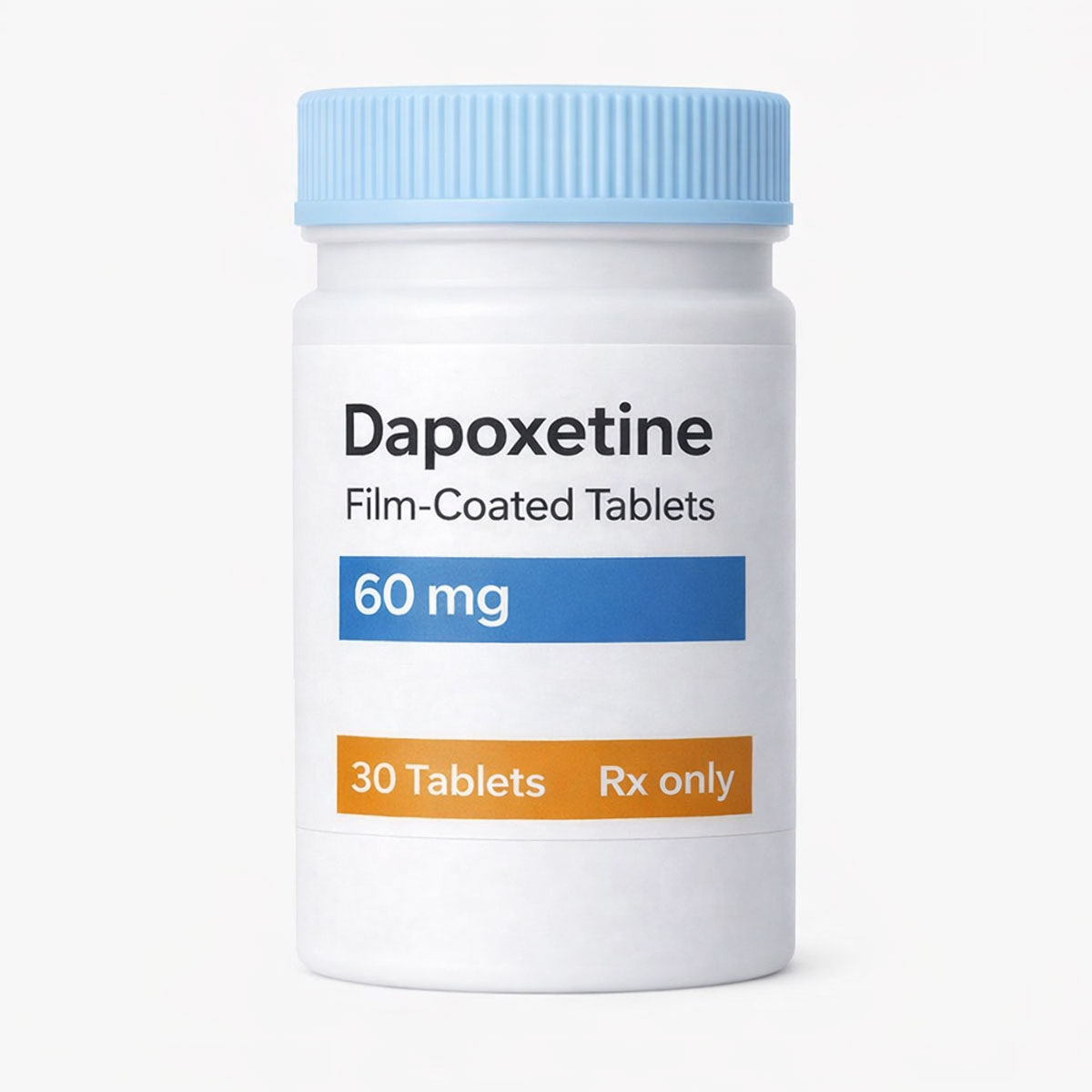
The development of Priligy responded to a long-standing therapeutic gap: PE was widely reported, yet available medicines were either off-label, long-acting, or poorly tolerated for chronic use in otherwise healthy men. Dapoxetine introduced a short-acting selective serotonin reuptake inhibitor (SSRI) profile, optimized for single-dose use before sexual activity. This pharmacological innovation reshaped expectations, as men could experience a several-fold increase in intravaginal ejaculatory latency time (IELT) without committing to daily antidepressant therapy or sacrificing spontaneity and next-day clarity.
Priligy also plays a central role in reframing PE from a source of shame into a clearly defined, treatable condition. Clinical criteria now recognize PE as a combination of short ejaculation time, lack of control, and personal or relationship distress. Within this framework, Priligy functions not only as a symptomatic treatment but as a tool that supports better communication between partners, more realistic expectations, and a structured plan for sexual rehabilitation. As a result, PE management becomes a collaborative process grounded in science rather than a private struggle marked by trial-and-error with unregulated products.
Another distinguishing aspect of Priligy in PE management is its compatibility with stepwise therapeutic strategies. It can be introduced as a pharmacological cornerstone while behavioral exercises, psychosexual counseling, or lifestyle modifications are progressively integrated. The rapid onset and relatively short half-life of dapoxetine permit flexible scheduling, allowing men to test different combinations of techniques and timing without long-term pharmacological accumulation. This flexibility contributes to a sense of control and personalization that is rarely achievable with traditional antidepressant SSRIs.
Role of Dapoxetine in Contemporary Sexual Medicine
Within contemporary sexual medicine, dapoxetine has become the reference oral agent specifically tailored for premature ejaculation. Before its introduction, PE management was dominated by non-specific options: off-label daily SSRIs, topical anesthetics that often reduced partner sensitivity, or behavioral methods with variable adherence. Dapoxetine changed this pattern by offering a medicine with a defined indication for PE, evaluated in large, multicenter trials with standardized outcome measures such as IELT and validated questionnaires of sexual satisfaction.
The role of Priligy extends beyond the mere prolongation of intercourse. By significantly increasing IELT, often by two- to four-fold compared with baseline, dapoxetine reduces the mismatch between arousal and ejaculation, which lies at the core of PE. This improved temporal alignment helps men experience the full sequence of sexual response, including arousal, plateau, and orgasm, rather than an abrupt transition from initiation to climax. In modern sexual medicine, this harmonization of timing is seen as a key component of sexual health, not just as a numeric delay.
Another dimension of dapoxetine’s role lies in its compatibility with diverse health profiles. Many men with PE are otherwise physically healthy and may not require long-term psychiatric medication. The on-demand structure of Priligy aligns with this reality, allowing targeted use only when needed. This pattern resonates with current trends in sexual medicine that favor individualized, event-based therapies over chronic exposure when long-term treatment is not necessary. As a result, dapoxetine fits naturally into a broader movement toward precision and personalization in sexual therapeutics.
- Priligy is the first oral SSRI developed and approved specifically for on-demand PE treatment in multiple regions.
- Clinical studies consistently report 2–4-fold IELT increases compared with baseline, with some men achieving even greater improvements.
- Validated tools such as the Premature Ejaculation Profile (PEP) and Index of Premature Ejaculation (IPE) demonstrate parallel gains in perceived control and distress reduction.
- The on-demand regimen aligns with modern preferences for targeted, flexible sexual health interventions rather than continuous antidepressant exposure.
Within the broader ecosystem of sexual medicine, dapoxetine acts as a bridge between pharmacology and psychosexual care. Its rapid, reproducible effect offers a stable platform on which men and their partners can rebuild confidence, experiment with new patterns of intimacy, and reinforce positive experiences that counteract long-standing anxiety around early ejaculation.
Pharmacological Distinctions Among PE Therapies
Priligy stands apart from other PE therapies through a combination of pharmacodynamic and pharmacokinetic characteristics that were intentionally optimized for sexual activity. Traditional SSRIs such as paroxetine, sertraline, or fluoxetine can delay ejaculation but require daily dosing over several weeks to reach a stable effect. Their long half-life often leads to persistent systemic exposure, potential sexual side effects such as reduced libido, and withdrawal symptoms if stopped abruptly. Dapoxetine, in contrast, reaches peak plasma levels rapidly and clears from the body within hours, which matches the episodic nature of sexual activity.
Topical anesthetic sprays and creams represent another major class of PE therapies. While they can effectively reduce penile sensitivity, they frequently introduce practical inconveniences: the need for precise timing of application, the risk of transferring anesthetic to the partner, and occasional loss of pleasurable sensation for the user. Priligy avoids these mechanical and sensory drawbacks by acting centrally on serotonergic pathways that regulate the ejaculatory reflex, preserving normal tactile experience while modulating the timing of climax.
Other oral agents, such as tramadol or off-label combinations of phosphodiesterase type 5 inhibitors (PDE5i) with SSRIs, have been explored for PE, but they often raise concerns regarding dependence potential, respiratory risks, or unnecessary cardiovascular exposure. Dapoxetine’s short-acting SSRI profile avoids opioid-related issues and limits systemic burden between doses. This distinct profile makes Priligy a rational first pharmacological choice in many structured treatment frameworks for PE.
From a user-centered perspective, Priligy’s pharmacological distinctiveness translates into practical advantages: predictable onset, absence of chronic drug accumulation, and preservation of normal erections and libido. These properties are particularly valuable for men who experience PE without erectile dysfunction, allowing them to address a specific problem without introducing new performance concerns or daily medication routines.
Clinical Trials and Evidence Supporting Use
The scientific foundation for Priligy is built on a robust portfolio of randomized, double-blind, placebo-controlled trials that collectively enrolled thousands of men with lifelong and acquired PE. These studies consistently demonstrated that dapoxetine, administered 1–3 hours before intercourse, significantly prolongs IELT compared with placebo and improves subjective measures of control, satisfaction, and distress. The reproducibility of these findings across regions, age groups, and relationship contexts has been central to the medicine’s global adoption.
In pivotal trials, men receiving dapoxetine 30 mg or 60 mg achieved median IELT increases from baseline values often below one minute to durations approaching or surpassing two to three minutes. While these numbers may appear modest to those without PE, they represent a profound shift for affected men, as even a doubling or tripling of IELT can transform sexual experiences from rushed and frustrating to shared and mutually satisfying. Importantly, the benefits were not limited to stopwatch measurements; validated questionnaires captured parallel improvements in perceived control and reduction in personal and partner distress.
- Large phase III trials documented significant IELT gains with both 30 mg and 60 mg doses, with dose-dependent enhancements in efficacy.
- Patient-reported outcomes consistently showed improved control over ejaculation and increased satisfaction with intercourse.
- Long-term extension studies, spanning many months of intermittent use, confirmed sustained efficacy without evidence of tolerance development.
- Safety profiles from pooled analyses revealed a predictable pattern of mostly mild and transient adverse events, reinforcing the suitability of on-demand use.
Real-world observational studies further validate these findings by reflecting everyday usage patterns outside the strict environment of clinical trials. Men using Priligy in routine life report not only measurable delays in ejaculation but also improved relationship harmony, decreased avoidance of intimacy, and a reduction in performance-related anxiety. These converging lines of evidence position Priligy as a thoroughly evaluated, data-supported option for men seeking structured relief from premature ejaculation.
Integration into Modern Treatment Pathways
Modern treatment pathways for premature ejaculation often follow a stepwise model that combines education, psychosexual strategies, and pharmacological support. Within this model, Priligy functions as a flexible tool that can be introduced at various stages, depending on symptom severity, relationship dynamics, and personal preferences. For some men, dapoxetine serves as the primary intervention that immediately addresses the core complaint of rapid ejaculation. For others, it complements ongoing behavioral exercises, such as start–stop or squeeze techniques, by providing a more forgiving temporal window in which to practice new skills.
Integration of Priligy into these pathways also reflects contemporary attitudes toward shared decision-making in sexual health. Men and their partners increasingly seek transparent information about efficacy, safety, and impact on daily life. The clear pharmacological profile of dapoxetine, with its on-demand dosing and short half-life, lends itself to such discussions. Couples can plan intimacy around a predictable effect window, experiment with different doses under medical supervision, and evaluate how the medicine fits with their values and lifestyle.
Another aspect of integration involves alignment with comorbid conditions. Many men with PE may also experience mild erectile difficulties, mood fluctuations, or stress-related symptoms. In such cases, Priligy can be combined with non-pharmacological interventions such as mindfulness, pelvic floor training, or relationship counseling, forming a multimodal strategy that addresses both biological and psychological dimensions of sexual function. This layered approach reflects a modern view of sexuality as an interplay of body, mind, and relational context rather than a purely mechanical process.
From a system-level perspective, the availability of a dedicated PE medicine such as Priligy encourages structured diagnostic and follow-up routines. Standardized questionnaires, timing logs, and periodic reviews of treatment goals become more common when a well-characterized pharmacological option is on the table. This structure benefits men by providing clear benchmarks of progress and by aligning expectations with achievable outcomes, thereby enhancing satisfaction with care and adherence to the chosen therapeutic plan.
Mechanism of Action and Neurochemical Regulation
Priligy exerts its effect on premature ejaculation through a sophisticated modulation of serotonin pathways within the central nervous system. Ejaculation is not a simple reflex triggered by local stimulation; it is a coordinated neurobiological event governed by spinal and brain centers that integrate sensory input, emotional state, and cortical control. Dapoxetine enhances serotonergic activity at key synapses involved in this network, thereby strengthening the inhibitory signals that delay ejaculation. The result is not an artificial suppression of sexual response, but a recalibration of timing that allows arousal, intimacy, and climax to unfold more gradually and predictably.
This mechanism distinguishes Priligy from purely peripheral approaches that act only on penile sensitivity. By influencing the central control of the ejaculatory reflex, dapoxetine addresses the core neurophysiological imbalance thought to underlie many cases of PE: an overactive or insufficiently regulated ejaculatory reflex arc. The rapid onset and short duration of dapoxetine’s serotonergic action mean that this modulation is closely tied to the period surrounding sexual activity, minimizing prolonged interference with mood or other serotonin-dependent functions.
Neurochemical regulation by dapoxetine involves more than a simple increase in serotonin levels. The molecule exhibits high affinity for the serotonin transporter (SERT), producing a rapid but transient inhibition of serotonin reuptake. This surge of synaptic serotonin is then translated into downstream effects at various serotonin receptor subtypes, some of which are associated with delayed ejaculation. The precision of this temporal profile allows Priligy to deliver a potent effect when needed while permitting swift recovery of baseline neurotransmission after the effect window has passed.
By harnessing this targeted serotonergic modulation, Priligy offers a pharmacological explanation for the subjective experiences reported by men: a sense of extended control, reduced urgency to climax, and the ability to remain engaged in sexual activity without feeling that ejaculation is imminent from the first moments of penetration. This alignment between molecular action and lived experience underpins the strong acceptance of dapoxetine among men seeking scientifically grounded solutions for PE.
Serotonergic Control of the Ejaculatory Reflex
The ejaculatory reflex is orchestrated through a complex interplay of spinal reflex centers and supraspinal control systems. Sensory signals from the genital area travel through peripheral nerves to the spinal cord, where they interact with pattern generators that coordinate emission and expulsion phases of ejaculation. Above this level, brain regions such as the medial preoptic area, paraventricular nucleus, and various cortical structures modulate this spinal circuitry, either promoting or inhibiting the reflex based on psychological and contextual factors.
Serotonin plays a central modulatory role within this network. Elevated serotonergic activity in specific brain and spinal pathways has been associated with delayed ejaculation, whereas reduced serotonergic tone correlates with rapid ejaculation. This observation emerged both from animal studies and from the clinical effects of conventional SSRIs, which often produce delayed ejaculation as a side effect during antidepressant therapy. Dapoxetine leverages this biological principle but compresses it into a short, event-focused timeframe suitable for sexual activity.
- Serotonin released in key brain areas enhances inhibitory control over spinal ejaculatory centers, prolonging the time to climax.
- Different serotonin receptor subtypes (such as 5-HT1A and 5-HT2C) exert opposing influences, and dapoxetine’s net effect favors the pathways associated with delay.
- In men with PE, the balance of excitatory and inhibitory signals appears skewed toward rapid triggering of the reflex, which dapoxetine helps rebalance.
- Central serotonergic modulation preserves local penile sensitivity while adjusting the central "threshold" required to initiate ejaculation.
This neurophysiological framework explains why Priligy can extend IELT without numbing sensation or impairing erection. By acting on the central gating mechanisms of the ejaculatory reflex, dapoxetine raises the threshold for climax, giving men a wider margin of control and reducing the overwhelming sense that ejaculation is inevitable from the first moments of stimulation.
Short-Acting SSRI Activity of Dapoxetine
Dapoxetine is classified as a selective serotonin reuptake inhibitor, yet its behavior in the body differs markedly from classical antidepressant SSRIs. Traditional SSRIs are designed for once-daily dosing, with gradual accumulation and a long-term steady-state effect on mood-related circuits. Dapoxetine, in contrast, was engineered to be absorbed rapidly, reach peak plasma levels quickly, and then be cleared within a relatively short period. This pharmacological design allows men to benefit from a potent serotonergic effect during sexual activity without being exposed to continuous SSRI action throughout the day.
The short-acting nature of dapoxetine arises from its specific molecular properties and metabolic pathways. After oral intake, the drug is rapidly absorbed from the gastrointestinal tract and undergoes extensive first-pass metabolism, leading to active and inactive metabolites that are then eliminated via hepatic and renal routes. The terminal half-life of dapoxetine is substantially shorter than that of conventional SSRIs, which translates into minimal residual concentrations by the next day for most users. This temporal confinement of action is one of the defining advantages of Priligy for men who do not require chronic antidepressant therapy.
Despite its transient presence in the bloodstream, dapoxetine exhibits high affinity for the serotonin transporter, achieving robust inhibition of reuptake during its active window. This combination of strong, selective SERT binding with rapid clearance creates a sharp, well-defined pharmacodynamic peak at the time when sexual activity is most likely to occur. Men can therefore experience a significant increase in ejaculatory control without enduring weeks of dose titration or adaptation typically required for antidepressant SSRIs.
For many users, this profile translates into a sense of autonomy and flexibility. The medicine can be used only on occasions when sexual activity is anticipated, allowing men to decide when they want pharmacological support and when they prefer to rely solely on natural control or behavioral techniques. This event-based, short-acting SSRI activity sets Priligy apart as a purpose-built solution rather than a repurposed antidepressant.
Pharmacokinetics and Rapid Onset Profile
Pharmacokinetics describes how a medicine is absorbed, distributed, metabolized, and eliminated by the body, and Priligy was optimized at every stage for rapid, on-demand use. After oral administration, dapoxetine is quickly absorbed, with peak plasma concentrations typically reached within 1–2 hours. This rapid rise in systemic levels aligns closely with the recommended timing of use before sexual activity, allowing men to plan intimacy within a relatively broad yet predictable window.
The bioavailability of dapoxetine is influenced by first-pass hepatic metabolism, but the resulting active concentrations are sufficient to produce robust inhibition of serotonin reuptake during the key period surrounding intercourse. Food may slightly modify the rate of absorption, but the clinical significance of this effect remains modest, which offers practical flexibility for real-life situations where meals and sexual activity do not always follow strict schedules.
- Peak plasma levels are usually achieved within 1–2 hours, matching the recommended pre-activity dosing interval.
- The distribution volume allows effective penetration into central nervous system compartments where serotonergic modulation occurs.
- Metabolism involves cytochrome P450 isoenzymes, particularly CYP2D6 and CYP3A4, which contributes to inter-individual variability but remains manageable within recommended dosing ranges.
- The terminal half-life is short enough to limit next-day exposure, supporting the concept of functional recovery by the following morning.
These pharmacokinetic properties underpin the practical experience reported by many men: a reliable onset of effect within a predictable timeframe, a sustained benefit throughout the anticipated sexual encounter, and a sense of physiological normalization once the active window passes. This pattern reduces concerns about lingering sedation, cognitive dulling, or sexual side effects beyond the intended period of use.
Systemic Pharmacology and Post-Dose Recovery
Beyond its central serotonergic activity, dapoxetine interacts with other physiological systems in ways that shape its overall tolerability profile. Like many SSRIs, it can transiently influence autonomic functions such as heart rate and blood pressure, which explains occasional reports of dizziness or orthostatic symptoms. However, the short duration of exposure generally confines these effects to a limited time frame after dosing, and they tend to diminish as users become familiar with the medicine’s impact on their own body.
Systemic pharmacology also encompasses the metabolism and excretion of dapoxetine and its metabolites. Hepatic processing via cytochrome P450 enzymes and subsequent renal elimination mean that liver and kidney function play a role in handling the medicine. This aspect has direct implications for dosing recommendations and for the identification of individuals who may require particular caution or alternative strategies. Nevertheless, for men with normal organ function, post-dose recovery is typically smooth, with a return to baseline physiological status by the next day.
Another systemic consideration involves potential interactions with other medicines that share metabolic pathways or influence serotonin levels. Because dapoxetine is a potent, though short-acting, SSRI, concurrent use with monoamine oxidase inhibitors, certain antidepressants, or other serotonergic agents may carry a theoretical risk of excessive serotonin activity. This pharmacological reality underscores the value of a thorough medication review before initiating Priligy, ensuring that the rapid on-demand benefit does not intersect with incompatible treatments.
From the perspective of daily functioning, the systemic pharmacology of dapoxetine is designed to minimize disruption. Men generally report that, outside the immediate period after dosing, their cognitive clarity, physical stamina, and emotional tone return to their usual baseline. This rapid post-dose recovery supports regular work schedules, driving, and social engagements, allowing Priligy to be integrated into modern life without imposing a continuous pharmacological footprint.
Clinical Indications and Therapeutic Applications
Priligy is indicated for men with a clear pattern of premature ejaculation, typically defined by persistently short IELT, lack of control over ejaculation, and associated distress or interpersonal difficulty. This triad distinguishes clinically relevant PE from occasional early ejaculation episodes that may occur in response to novelty, stress, or prolonged abstinence. By targeting men whose PE is stable, recurrent, and problematic, Priligy addresses a group that often experiences significant emotional burden and relationship strain.
The therapeutic applications of dapoxetine extend across both lifelong and acquired PE. Lifelong PE usually presents from the first sexual experiences, with ejaculation occurring almost always within about one minute of penetration. Acquired PE develops after a period of normal sexual function, often linked to psychological factors, medical conditions, or relationship changes. In both scenarios, Priligy can deliver meaningful improvements in IELT and perceived control, though the underlying context and complementary interventions may differ.
Another key indication for Priligy arises when non-pharmacological strategies alone do not provide sufficient relief. Many men attempt behavioral techniques, lifestyle changes, or unregulated supplements before seeking a regulated medicine. When these approaches fail to produce consistent results, dapoxetine offers a structured, evidence-based option that can be integrated with ongoing non-drug strategies. This layered use enables men to benefit from both immediate symptom relief and long-term skill development in sexual self-regulation.
The scope of therapeutic applications also encompasses broader goals such as restoring sexual confidence, reducing avoidance of intimacy, and supporting relationship satisfaction. By transforming sexual encounters from a source of anxiety into an arena of shared pleasure, Priligy contributes to a more holistic improvement in quality of life. Men often report that, once ejaculation is no longer uncontrollably rapid, they feel more relaxed, communicative, and engaged with their partners, which reinforces the gains achieved through pharmacological means.
First-Line Pharmacologic Treatment for Premature Ejaculation
In many contemporary treatment frameworks, Priligy is recognized as a primary pharmacologic option for men seeking medical help for premature ejaculation. Its targeted indication, rapid onset, and on-demand dosing make it particularly suitable as an initial medicine when a structured, reversible, and well-characterized intervention is desired. For men who meet diagnostic criteria for PE and who express interest in pharmacological support, dapoxetine often represents the most logical starting point before considering more complex regimens.
The rationale for positioning Priligy as a first-line pharmacologic therapy lies in its balance between efficacy and reversibility. Unlike daily SSRIs, which require weeks of continuous use and may produce long-lasting alterations in sexual function, Priligy offers a discrete, time-limited intervention around specific sexual events. This feature aligns well with the needs of men who are otherwise healthy, have no requirement for chronic antidepressant therapy, and prefer to limit medication exposure to moments of actual necessity.
- Priligy is specifically approved for PE, whereas many alternative oral agents are used off-label without dedicated regulatory evaluation for this condition.
- The on-demand regimen reduces cumulative drug exposure compared with daily SSRIs, which is particularly relevant for younger men with long expected sexual lifespans.
- Clinical trials show consistent IELT improvement and high levels of user satisfaction, supporting its use as an initial pharmacologic choice.
- The short half-life allows rapid discontinuation without the protracted withdrawal concerns associated with long-acting antidepressant SSRIs.
When introduced as a first-line pharmacologic solution, Priligy also provides a valuable diagnostic insight. Men who respond strongly often confirm that their primary difficulty lies in the neurochemical regulation of ejaculation, while those with partial response may benefit from additional exploration of psychological or relational factors. This dual role as both therapy and diagnostic indicator enhances the strategic value of dapoxetine in comprehensive PE management.
Management of Persistent or Severe PE Cases
Some men present with particularly severe or persistent forms of PE, where ejaculation consistently occurs within seconds to one minute after penetration, often despite previous attempts at behavioral modification or unregulated remedies. In such cases, Priligy can serve as a central component of a more intensive management plan. The robust serotonergic modulation provided by dapoxetine may deliver the first substantial extension of IELT these men have ever experienced, offering a powerful psychological shift from helplessness to tangible control.
For persistent or severe PE, treatment objectives often include not only immediate symptom relief but also gradual reshaping of sexual expectations and patterns. Men may have developed entrenched anticipatory anxiety, avoidance of intimacy, and negative self-perceptions over many years. By reliably delaying ejaculation, Priligy creates repeated experiences of successful intercourse that progressively erode these maladaptive patterns. Over time, the combination of pharmacological delay and positive reinforcement can recondition the sexual response cycle toward a more stable and confident state.
In complex cases, dapoxetine may also be integrated with additional modalities such as cognitive-behavioral approaches, couple-focused therapy, or targeted exercises to improve arousal regulation. The medicine’s short-acting nature facilitates such integration because its effects are easily mapped onto specific sexual episodes that are then analyzed and discussed in therapeutic settings. Men can reflect on how their thoughts, emotions, and bodily sensations evolve during a Priligy-supported encounter, gaining insights that inform further psychological work.
For those with coexisting sexual issues, such as occasional erectile uncertainty or mismatched libido within the couple, Priligy’s focused action on ejaculation enables tailored combinations with other interventions. This modular approach is particularly valuable in severe or long-standing PE, where multiple dimensions of sexual functioning may require attention to restore a satisfying and sustainable intimate life.
Restoration of Ejaculatory Control and Sexual Confidence
One of the most celebrated outcomes of Priligy therapy is the restoration of a sense of control over ejaculation, which has profound psychological and relational implications. Men with PE often describe feeling as though their body betrays them, climaxing before they can enjoy or share the experience of intercourse. This lack of control erodes confidence, fuels self-criticism, and may lead to avoidance of sexual situations. By extending IELT and reducing the urgency to climax, Priligy helps men reclaim a sense of agency over their sexual response.
Sexual confidence is not merely the absence of anxiety; it is the positive expectation that sexual encounters will be pleasurable, manageable, and aligned with personal and partner needs. Dapoxetine supports this shift by delivering consistent, repeatable improvements in timing. When men can reliably anticipate that intercourse will last long enough for mutual satisfaction, they approach intimacy with curiosity and openness rather than fear and defensive strategies. This change in mindset often spills over into other aspects of life, enhancing self-esteem and interpersonal engagement.
- Extended IELT allows men to adjust rhythm, position, and pace without fearing that any movement will trigger immediate ejaculation.
- Improved control over climax supports better synchronization with a partner’s arousal, fostering cooperative rather than competitive dynamics in the bedroom.
- Repeated successful experiences reduce performance anxiety, which in itself further stabilizes ejaculatory control through a virtuous cycle.
- Greater confidence can motivate men to explore complementary strategies, such as communication training or sensual techniques, that enrich overall sexual satisfaction.
As confidence grows, many men report that their identity shifts from someone who "has a problem" to someone who "has a solution and skills." This reframing is particularly powerful in relationships, where partners may move from a pattern of frustration and disappointment to one of shared experimentation and renewed intimacy.
Effects on Relationship Satisfaction and Sexual Wellbeing
Premature ejaculation often exerts a silent yet pervasive influence on relationships. Partners may avoid discussing the issue directly, but the cumulative effect of brief, unsatisfying encounters can manifest as tension, emotional distance, or misinterpretations about commitment and attraction. By improving ejaculatory control, Priligy can act as a catalyst for restoring relational harmony and sexual wellbeing. When both partners experience more balanced and fulfilling intercourse, communication typically becomes easier, and mutual empathy increases.
Sexual wellbeing encompasses more than the mechanical aspects of intercourse; it includes emotional closeness, body confidence, and the freedom to explore intimacy without constant worry about timing. Dapoxetine contributes to this broader wellbeing by granting couples a more generous time frame for foreplay, experimentation, and shared climax. Men who previously rushed through sexual activity to avoid embarrassment can slow down, respond to their partner’s cues, and enjoy the full spectrum of sensations and emotions associated with intimacy.
Relationship satisfaction often improves as a natural extension of these changes. Partners who had internalized PE as a sign of disinterest or incompatibility may re-evaluate their assumptions when they see tangible improvements. The shared experience of overcoming a sensitive issue can strengthen trust and solidarity, turning a former source of conflict into a story of mutual resilience and growth. Many couples describe a renewed sense of partnership, where sexual encounters once again become a space of joy rather than a test of performance.
Beyond the bedroom, these relational gains can influence broader life domains. Reduced sexual tension often correlates with fewer arguments, better sleep, and greater willingness to engage in shared activities. As sexual wellbeing stabilizes, couples may find it easier to focus on other goals, such as parenting, career development, or personal hobbies, knowing that their intimate life is supported by a reliable and effective therapeutic ally in the form of Priligy.
Patient Access to Priligy and Treatment Initiation
Access to Priligy has expanded significantly with the rise of regulated online services and telemedicine, offering men discreet and structured pathways to address premature ejaculation. For many, embarrassment or fear of judgment has long been a barrier to seeking help, leading to reliance on unverified supplements or misleading internet advice. The availability of dapoxetine through legitimate channels, supported by standardized assessments and follow-up, provides a safer and more transparent alternative to self-experimentation with unregulated products.
Treatment initiation for Priligy usually involves a careful evaluation of sexual history, current symptoms, and overall health. This process distinguishes clinically significant PE from transient difficulties and screens for potential contraindications or interacting medicines. Whether conducted in person or remotely, this assessment lays the groundwork for a personalized plan that aligns Priligy dosing with individual goals, lifestyle patterns, and relational context.
The distinction between branded Priligy and generic dapoxetine also plays a role in access. While the active substance is identical, variations in excipients, tablet design, and manufacturer reputation can influence user preference and perceived reliability. Many men value the assurance associated with a well-known brand, especially during initial treatment, while others prioritize cost-effectiveness and may transition to generics once they are comfortable with the medicine’s effects.
Online pharmacies and telehealth platforms have introduced new possibilities but also new risks. Reputable services integrate medical evaluation, clear dosing guidance, and secure dispensing of genuine products, whereas illegitimate websites may bypass safety checks and offer counterfeit or substandard tablets. Men benefit from understanding the hallmarks of trustworthy providers, as this knowledge supports safe and sustainable access to Priligy as part of a broader sexual health strategy.
Medical Consultation and Remote Assessment Options
The journey toward effective Priligy use typically begins with a structured consultation that clarifies whether premature ejaculation is present, how severe it is, and what factors may contribute to it. Traditional face-to-face consultations remain a valuable avenue, yet remote assessment options have rapidly gained prominence. Online questionnaires, secure video calls, and digital communication channels enable men to share sensitive information from the privacy of their own environment, often reducing the psychological barrier associated with discussing sexual concerns.
Remote assessments can capture key data points such as average IELT, frequency of early ejaculation, degree of distress, and impact on relationships. Standardized tools like the Premature Ejaculation Diagnostic Tool (PEDT) or brief self-report scales can be integrated into digital platforms, providing a consistent framework for evaluation. These instruments support objective decision-making about whether dapoxetine is appropriate and what starting dose aligns best with individual characteristics and expectations.
- Structured online forms can document medical history, current medicines, and lifestyle factors that influence suitability for Priligy.
- Video consultations allow nuanced discussion of psychological aspects, relationship context, and previous attempts at self-management.
- Remote follow-up visits can track response to dapoxetine, adjust dosing, and monitor any side effects or emerging concerns.
- Digital platforms often provide educational materials about PE and Priligy, empowering men to make informed choices about their treatment journey.
These remote options do not replace careful clinical judgment, but they extend its reach and convenience. Men who previously avoided any form of consultation may now feel comfortable engaging with a structured, confidential process that leads to safe and evidence-based access to Priligy.
Comparison of Branded Priligy and Generic Dapoxetine
As patents expire and pharmaceutical markets evolve, generic versions of dapoxetine have become available in many regions. Both branded Priligy and generic dapoxetine contain the same active ingredient, designed to deliver equivalent therapeutic effects when manufactured according to regulatory standards. For many men, this opens the door to more affordable treatment, especially for long-term or frequent use, without sacrificing the core benefits of the medicine.
Differences between branded and generic products typically lie in excipients, tablet shape, color, and packaging. These variations can influence properties such as disintegration time, taste, or ease of swallowing, which may affect user preference but not necessarily clinical efficacy. Regulatory authorities usually require generics to demonstrate bioequivalence, meaning that the rate and extent of absorption fall within a defined range compared with the reference product. When these standards are met, generic dapoxetine should provide comparable IELT improvements and safety profiles.
Some men, especially during the initial stages of treatment, may prefer branded Priligy due to its established reputation, extensive clinical trial data, and recognizable packaging that signals authenticity. Once confidence in dapoxetine’s effect is established, others may transition to generics to optimize cost without compromising performance. This flexibility allows treatment plans to adapt to financial considerations, which can be crucial for sustained access.
Regardless of the choice between branded and generic forms, the central priority remains sourcing the medicine from reliable, regulated suppliers. Authenticity and quality control are non-negotiable, as substandard or counterfeit products can undermine both safety and efficacy, leading to inconsistent results and unnecessary health risks.
Standards for Reliable Online Pharmacies
The growth of online pharmacies has made Priligy more accessible but has also created a marketplace where genuine medicines coexist with counterfeit or poorly regulated products. Reliable online providers adhere to strict standards that protect users from unsafe or ineffective tablets. Recognizing these standards helps men navigate digital offerings with greater confidence and avoid the pitfalls of unverified sources.
Legitimate online pharmacies typically require a structured health assessment before dispensing dapoxetine. This may involve a detailed questionnaire, identity verification, and, in some jurisdictions, a remote consultation with a licensed prescriber. The requirement for a prescription or documented medical approval serves as a key indicator that the provider operates within regulatory frameworks rather than simply selling medicines without oversight.
- Trustworthy websites display clear information about licensing, physical address, and regulatory affiliations or certifications.
- Genuine providers insist on prescription validation or direct teleconsultation rather than offering Priligy without any medical review.
- Secure payment systems and data protection policies demonstrate a commitment to safeguarding personal and financial information.
- Packaging, batch numbers, and patient information leaflets match those expected for authorized products, allowing verification of authenticity.
By favoring providers that meet these standards, men enhance the likelihood of receiving authentic Priligy or generic dapoxetine, supported by appropriate guidance and follow-up. This approach reduces the risk of variable dosing, contamination, or ineffective tablets that can arise from unregulated sellers and ensures that the therapeutic potential of dapoxetine is realized in a safe and consistent manner.
Clinical Pathway from Prescription to Continued Therapy
Once Priligy has been deemed appropriate and a prescription issued, a structured clinical pathway supports safe initiation and ongoing optimization. The first phase usually involves starting at a recommended dose, often 30 mg, with clear expectations about timing relative to sexual activity and possible early side effects such as mild nausea or dizziness. Men are encouraged to observe how their body responds over several uses, noting changes in IELT, perceived control, and overall satisfaction.
Follow-up assessments, whether in person or via telehealth, provide opportunities to fine-tune therapy. Some men may achieve excellent results with the initial dose, while others may benefit from a carefully supervised increase to 60 mg to maximize efficacy. This stepwise approach balances the desire for greater ejaculatory delay with consideration of tolerability and individual sensitivity to serotonergic modulation.
Continued therapy also involves periodic re-evaluation of goals. For some, Priligy remains a long-term companion used intermittently whenever sexual activity is anticipated. For others, the combination of pharmacological delay and psychological adaptation may lead to a point where less frequent use or even discontinuation becomes feasible without loss of control. These trajectories vary, and the flexibility of dapoxetine’s on-demand profile accommodates a wide spectrum of long-term patterns.
Throughout this pathway, open communication about benefits, side effects, and relationship dynamics enhances the value derived from Priligy. Men who actively engage in monitoring their progress, adjusting expectations, and integrating complementary strategies often report the most profound and durable improvements in their sexual and relational lives.
Key Therapeutic Advantages of Priligy
Priligy offers a constellation of therapeutic advantages that distinguish it from both non-pharmacological approaches and alternative medical treatments for premature ejaculation. At the core lies its ability to deliver a substantial, measurable delay in ejaculation with on-demand dosing, giving men practical control over timing without committing to daily medication. This unique combination of potency and flexibility resonates strongly with the lifestyle and preferences of many modern users.
Another major advantage is the alignment between Priligy’s pharmacological profile and the natural rhythm of sexual activity. The rapid onset and short half-life of dapoxetine ensure that its primary effects are concentrated around the period of anticipated intercourse. Men benefit from enhanced ejaculatory control exactly when needed, while the rest of their day remains largely free from pharmacological influence. This event-based approach supports clear mental boundaries between therapeutic use and everyday functioning.
Priligy also stands out for its favorable tolerability and acceptability among users. While some side effects can occur, particularly early in treatment, they are usually mild, transient, and closely linked to the active window after dosing. Many men find that, once they understand these sensations and how to manage them, the benefits in sexual performance and confidence far outweigh any temporary discomfort. This balance contributes to strong adherence and sustained satisfaction with therapy.
The capacity of Priligy to integrate smoothly with behavioral and psychosexual strategies further enhances its therapeutic profile. Rather than replacing non-drug methods, dapoxetine often amplifies their effectiveness by providing a stable temporal framework in which to practice new skills. Men can use the extra time afforded by Priligy to experiment with arousal control, communication techniques, and sensual exploration, transforming the medicine into a springboard for broader sexual development.
Consistency of Ejaculatory Delay Response
One of the most valued features of Priligy is the predictability of its effect on ejaculation timing. Men living with PE frequently describe their sexual experiences as erratic, with ejaculation occurring so quickly that they cannot anticipate or modulate it. This unpredictability fuels anxiety and undermines trust in one’s own body. Dapoxetine addresses this problem by providing a consistent, dose-dependent extension of IELT that can be observed and measured across repeated encounters.
Clinical trials and real-world reports indicate that, after the initial period of dose familiarization, many men experience remarkably stable patterns of ejaculatory delay with Priligy. While exact IELT values may vary slightly from one encounter to another, the overall range shifts upward in a reliable manner. This consistency allows users to form realistic expectations about how long intercourse is likely to last, reducing fear of sudden, uncontrollable climax.
- Controlled studies show that both 30 mg and 60 mg doses produce reproducible IELT improvements across multiple sexual events.
- Men often report a clear, noticeable difference between unmedicated and medicated encounters, reinforcing confidence in the medicine’s reliability.
- The dose-response relationship enables targeted adjustments when a stronger or milder effect is desired under professional guidance.
- Predictable delay supports planning of sexual activity, including foreplay duration and attempts to synchronize climax with a partner.
This dependable pattern transforms sexual activity from a high-risk scenario into a more controlled and enjoyable experience. When men know that Priligy will reliably extend their IELT, they can shift attention away from constant self-monitoring and toward shared pleasure, connection, and intimacy.
On-Demand Use Prior to Sexual Activity
The on-demand nature of Priligy represents a major therapeutic advantage, particularly for men who prefer not to take daily medication for a condition that manifests only during specific events. By allowing dosing shortly before anticipated intercourse, dapoxetine offers a targeted solution that respects bodily autonomy and minimizes unnecessary exposure. This flexibility is especially appreciated by men whose sexual frequency varies or who value the ability to decide, on each occasion, whether pharmacological support is desired.
On-demand use also fits seamlessly into the practical realities of modern life. Sexual activity often occurs in response to opportunity, mood, and partner availability rather than on a rigid schedule. Priligy’s pharmacokinetic profile, with peak effect within 1–2 hours and a therapeutic window that covers typical intimacy durations, accommodates this variability. Men can incorporate dosing into their routine in a discreet manner, aligning it with private moments rather than continuous daily reminders of a medical condition.
Another benefit of the on-demand model lies in psychological framing. Many men feel more comfortable using a medicine episodically rather than perceiving themselves as long-term "patients" requiring chronic treatment. This event-based approach can reduce stigma and promote a more positive, proactive attitude toward sexual wellbeing. Priligy becomes a tool for enhancing specific experiences rather than a symbol of ongoing illness.
From a safety perspective, on-demand dosing also reduces cumulative exposure to serotonergic modulation, which may be particularly relevant for younger men or those concerned about long-term pharmacological effects. By concentrating the medicine’s impact around actual sexual encounters, Priligy delivers maximum benefit with a lean and efficient use of pharmacology.
Tolerance Profile and Patient Acceptability
The tolerability of Priligy plays a central role in its widespread acceptance. While any active medicine can produce side effects, the pattern associated with dapoxetine is generally predictable, mild to moderate in intensity, and limited in duration. Commonly reported sensations include transient nausea, dizziness, headache, and a feeling of lightheadedness, especially around the time of peak plasma concentration. For most men, these effects diminish over time or remain manageable in light of the substantial gains in ejaculatory control.
Acceptability is shaped not only by the nature of side effects but also by how they interact with daily life. Because Priligy is taken on demand and cleared relatively quickly, its impact on non-sexual periods is minimal. Men typically experience any side effects within a defined window after dosing, after which they can resume normal activities without lingering discomfort. This temporal confinement is particularly important for those with demanding work schedules, family responsibilities, or active lifestyles.
- Most adverse events in clinical trials were classified as mild or moderate and resolved without intervention.
- The incidence of discontinuation due to side effects remained relatively low, indicating good overall acceptability.
- Men often report that, once familiar with the timing and intensity of side effects, they feel confident in planning around them.
- The absence of long-term cognitive dulling or persistent sexual dysfunction supports sustained use when needed.
Psychological comfort also contributes to acceptability. Knowing that Priligy has undergone rigorous evaluation and is used worldwide reassures many men who might otherwise be hesitant about pharmacological solutions for sexual issues. This reassurance, combined with a manageable side effect profile, fosters trust and encourages consistent use in line with therapeutic goals.
Combination with Behavioral and Psychosexual Strategies
Priligy’s design makes it an ideal partner for behavioral and psychosexual strategies aimed at long-term improvement in ejaculatory control. Techniques such as the start–stop method, squeeze method, mindfulness-based arousal training, and focused communication exercises can all be practiced more effectively when men have a wider temporal window before climax. Dapoxetine provides this window, turning theoretical skills into practical tools that can be rehearsed under realistic conditions.
For many men, previous attempts at behavioral techniques may have failed because ejaculation occurred too quickly to implement the steps properly. With Priligy extending IELT, they gain the time needed to recognize early arousal cues, apply learned strategies, and observe the effects. This experiential learning consolidates neural pathways associated with better control, potentially yielding benefits that persist even during unmedicated encounters.
Psychosexual interventions also benefit from the emotional relief that Priligy can provide. When the immediate fear of rapid ejaculation is reduced, men and their partners often feel more open to exploring sensitive topics, sharing fantasies, and experimenting with new patterns of intimacy. Dapoxetine thus acts as a stabilizing foundation on which deeper psychological and relational work can be built, fostering a comprehensive approach to sexual health.
Over time, some men find that the combination of pharmacological support and learned behavioral skills allows them to adjust dosing frequency or dose strength while maintaining satisfactory control. This dynamic interplay between medicine and self-regulation illustrates how Priligy can serve not only as a short-term solution but as a catalyst for long-term sexual resilience and adaptability.
Safety Considerations and Responsible Administration
Priligy possesses a well-characterized safety profile derived from extensive clinical research and post-marketing surveillance. While dapoxetine is generally well tolerated, responsible administration requires awareness of potential side effects, contraindications, and interactions with other medicines or substances. This knowledge ensures that the benefits of improved ejaculatory control are achieved without exposing users to avoidable risks.
Safety considerations encompass both the acute period after each dose and the broader pattern of intermittent use over months or years. Because Priligy is taken on demand, most safety concerns focus on transient effects such as dizziness, nausea, or orthostatic symptoms that may arise near peak plasma levels. Recognizing these possibilities and planning accordingly helps men integrate Priligy into their lives in a way that maintains comfort and functional capacity.
Responsible administration also involves careful selection of candidates for dapoxetine therapy. Men with certain cardiovascular, hepatic, or psychiatric conditions may require alternative approaches or additional monitoring. Similarly, concurrent use of other serotonergic agents, potent CYP3A4 inhibitors, or substances that lower blood pressure can influence the risk profile. A thorough review of health status and current medicines provides the foundation for safe and effective use.
Ongoing communication and periodic reassessment allow safety strategies to evolve alongside changes in health, lifestyle, or treatment goals. Men who remain engaged with structured follow-up are better positioned to detect and address emerging issues early, preserving both the therapeutic value of Priligy and their overall wellbeing.
Safety Evidence from Controlled Clinical Studies
The safety of Priligy has been evaluated in multiple randomized, placebo-controlled trials, open-label extensions, and post-marketing studies involving diverse populations of men with premature ejaculation. These investigations provide a detailed picture of how dapoxetine behaves in real users, including the frequency and nature of adverse events, their relationship to dose, and their evolution over time. Consistently, the data indicate that Priligy’s side effects are usually predictable, dose-related, and confined to the period shortly after administration.
Commonly reported adverse events in clinical trials included nausea, dizziness, headache, diarrhea, and insomnia. These occurred more frequently at the 60 mg dose than at 30 mg, reflecting a typical dose-response relationship. Importantly, most events were mild to moderate in intensity and resolved spontaneously without specific treatment. Serious adverse events were rare, and discontinuation rates due to side effects remained relatively low compared with many chronic medicines.
- Large phase III trials documented that the majority of adverse events appeared within a few hours of dosing and diminished as plasma concentrations declined.
- Long-term extension studies, covering many months of intermittent use, did not reveal new safety signals beyond those observed in short-term trials.
- Cardiovascular monitoring in selected studies indicated that, in men without significant underlying disease, changes in heart rate and blood pressure were generally modest and transient.
- Post-marketing surveillance has continued to support the conclusion that dapoxetine’s safety profile is consistent with its SSRI class, modified by its short-acting nature.
These converging data sources give men and prescribers a high degree of confidence in the safety of Priligy when used as directed, reinforcing its role as a frontline pharmacologic option for premature ejaculation.
Common Adverse Effects Observed in Practice
While Priligy is well tolerated by most users, certain adverse effects occur with sufficient frequency to merit attention and proactive planning. Nausea is among the most commonly reported, often appearing within a few hours of dosing and subsiding as the medicine is metabolized and cleared. Dizziness and a sensation of lightheadedness can also occur, especially when moving from sitting or lying to standing positions during the peak effect window.
Headache and mild gastrointestinal disturbances, such as diarrhea or abdominal discomfort, have been noted in both clinical trials and routine practice. These symptoms tend to be self-limited and may decrease in intensity after the first few doses as the body adapts to dapoxetine’s pharmacological effects. Sleep disturbances, including difficulty falling asleep if dosing occurs late in the evening, represent another potential effect, reflecting the central action of serotonin on arousal pathways.
Less commonly, men may experience palpitations, sweating, or a sense of jitteriness. These sensations are usually transient and closely tied to the period of peak plasma concentration. Rarely, more pronounced orthostatic symptoms or syncope have been reported, particularly in individuals predisposed to blood pressure fluctuations. Such events underscore the importance of awareness and cautious behavior during the early phase of treatment.
Despite these possibilities, many men find that side effects either remain mild or diminish over time, while the benefits in ejaculatory control and sexual confidence continue to grow. A balanced, informed perspective on common adverse effects allows users to contextualize temporary discomfort within the broader gains achieved through Priligy therapy.
Contraindications and Risk Factors
Certain health conditions and concurrent treatments can elevate the risks associated with Priligy, making careful screening and individualized decision-making essential. Men with significant cardiac disease, such as marked conduction abnormalities, uncontrolled arrhythmias, or a history of syncope related to cardiovascular causes, may face increased vulnerability to blood pressure changes or heart rate alterations induced by dapoxetine. In these cases, alternative approaches to PE management may be more appropriate.
Severe hepatic impairment represents another important contraindication, given the central role of the liver in metabolizing dapoxetine and its metabolites. Compromised hepatic function can lead to elevated plasma levels and prolonged exposure, amplifying the risk of side effects. Similarly, severe renal impairment may influence elimination pathways, requiring careful assessment of overall risk–benefit balance before considering Priligy.
- Concurrent use of monoamine oxidase inhibitors or other potent serotonergic agents can increase the risk of serotonin-related adverse reactions.
- Strong CYP3A4 inhibitors, such as certain antifungals or protease inhibitors, may elevate dapoxetine levels and intensify side effects.
- History of bipolar disorder, severe depression, or suicidal ideation warrants cautious evaluation, as SSRIs can influence mood regulation.
- Predisposition to orthostatic hypotension or a history of unexplained fainting episodes calls for particular vigilance when considering dapoxetine.
By identifying these contraindications and risk factors early, treatment plans can be tailored to maximize safety, either by adjusting dosing strategies, scheduling additional monitoring, or selecting alternative therapeutic options for premature ejaculation.
Principles for Safe and Consistent Use
Safe and consistent use of Priligy rests on a set of practical principles that align dosing, timing, and monitoring with individual health status and lifestyle. Men benefit from a clear understanding of how dapoxetine works, what to expect during the active window, and which signals warrant attention or discussion during follow-up. This informed approach transforms Priligy from a simple pill into a thoughtfully integrated component of sexual health management.
A key principle involves respecting recommended dosing intervals and maximum frequency of use. Dapoxetine is designed for on-demand administration, not for repeated dosing within a short period or for daily chronic use without clear justification. Adhering to established guidelines reduces the risk of cumulative serotonergic effects, excessive plasma levels, or unnecessary side effect burden.
Another guiding concept is self-observation. Men who pay attention to how their body responds to the first few doses, including any sensations of dizziness, gastrointestinal upset, or changes in mood, are better equipped to adjust their routines and communicate effectively during follow-up assessments. This self-awareness supports fine-tuning of dose, timing, and complementary strategies such as hydration, meal planning, or relaxation techniques.
Regular review of treatment goals and overall health status completes the framework for safe use. As circumstances change—whether through aging, new medical diagnoses, or shifts in relationship dynamics—the role of Priligy may evolve. Periodic reflection and professional input ensure that dapoxetine remains aligned with current needs, providing ongoing benefit while maintaining a strong safety margin.
Clinical Guidance and Expert Perspectives
Expert perspectives on Priligy highlight its status as a landmark development in the pharmacological management of premature ejaculation. Sexual health authorities and guideline panels frequently cite dapoxetine as the first oral agent specifically designed and evaluated for on-demand PE treatment, setting a new standard for therapeutic precision. This recognition reflects not only the medicine’s efficacy but also its alignment with contemporary principles of individualized, evidence-based care.
Clinical guidance documents often place Priligy within a structured framework that begins with assessment, education, and shared decision-making. Men are encouraged to clarify their goals, such as extending IELT to a certain range, reducing distress, or improving partner satisfaction. Dapoxetine is then introduced as one of several tools that can be combined and adjusted over time, rather than as a stand-alone solution divorced from psychological and relational contexts.
Experts emphasize the importance of realistic expectations. While Priligy can produce impressive IELT gains, it does not aim to create unnaturally prolonged intercourse or eliminate climax altogether. Instead, the goal is to reach a range where both partners feel that intercourse is long enough to be fulfilling yet remains spontaneous and pleasurable. This balanced perspective prevents disappointment and fosters appreciation for the meaningful, yet physiologically grounded, improvements that dapoxetine delivers.
Guidance also underscores the value of ongoing evaluation and flexibility. As men gain experience with Priligy, their preferences, confidence, and relationship dynamics may evolve, prompting adjustments in dosing, frequency of use, or integration with other strategies. Expert recommendations support this adaptive approach, recognizing that sexual health is a dynamic domain that benefits from responsive, personalized care.
Recommendations from Sexual Health Specialists
Sexual health specialists consistently regard Priligy as a cornerstone pharmacologic option for men with clinically significant premature ejaculation. Their recommendations draw on a combination of robust trial data, real-world experience, and nuanced appreciation of the psychological burdens associated with PE. Dapoxetine is frequently proposed as a first-line medicine when men express a desire for rapid, on-demand improvement in ejaculatory control and are suitable candidates from a medical standpoint.
Specialists often highlight the importance of thorough initial assessment before prescribing Priligy. This process includes evaluation of IELT, subjective control, distress levels, and relationship context, as well as screening for contraindications and interacting medicines. By grounding dapoxetine use in a comprehensive understanding of the individual, experts aim to maximize benefit while minimizing risk and aligning treatment with personal values and expectations.
- Guidelines frequently position dapoxetine as a recommended option for men with lifelong or acquired PE who prefer on-demand therapy.
- Specialists emphasize that Priligy works best when combined with education about sexual response and realistic outcome targets.
- Expert consensus supports dose titration based on efficacy and tolerability, with 30 mg often used as a starting point and 60 mg considered when greater effect is needed.
- Ongoing dialogue between user and prescriber is encouraged to refine treatment and address any emerging concerns or side effects.
These recommendations reflect a broad professional confidence in Priligy as a reliable and versatile tool that can be tailored to diverse clinical scenarios, from straightforward cases to more complex presentations involving psychological or relational factors.
Integration with Multidisciplinary Sexual Health Care
Modern sexual health care increasingly embraces a multidisciplinary model that brings together expertise from urology, psychology, sexology, and relationship counseling. Within this framework, Priligy serves as a pharmacological anchor that supports and enhances the work of other disciplines. By providing rapid, tangible improvements in ejaculatory control, dapoxetine can create the stability and hope needed for men and couples to fully engage in broader therapeutic processes.
Psychologists and sex therapists often welcome the inclusion of Priligy in their treatment plans, as it reduces the immediate pressure associated with rapid ejaculation and allows more space for exploration of underlying beliefs, fears, and communication patterns. Men who feel less threatened by imminent climax are better able to experiment with new behaviors, share vulnerabilities, and receive feedback, which accelerates psychological and relational progress.
From a medical standpoint, integration with multidisciplinary care also means that Priligy use can be coordinated with management of comorbid conditions such as mild erectile difficulties, anxiety, or chronic stress. Collaborative care teams can align medication strategies, behavioral interventions, and lifestyle recommendations to create a coherent, mutually reinforcing plan. This holistic approach recognizes that premature ejaculation rarely exists in isolation, but interacts with multiple dimensions of health and identity.
As multidisciplinary models continue to spread, Priligy is likely to remain a central pharmacological component, valued for its specificity, flexibility, and compatibility with a wide range of therapeutic philosophies and techniques.
Considerations for Specific Patient Populations
While Priligy is broadly applicable to adult men with premature ejaculation, certain populations warrant special consideration to ensure optimal use. Age, comorbid conditions, cultural background, and relationship status can all influence how dapoxetine is experienced and integrated into life. Tailoring treatment to these factors enhances both safety and satisfaction, reflecting the nuanced approach championed by sexual health experts.
Younger men with lifelong PE often present with intense performance anxiety and limited sexual experience. For them, Priligy can provide a transformative first encounter with reliable ejaculatory control, shaping their emerging sexual identity in a more positive direction. At the same time, guidance about realistic expectations and the value of complementary skills is essential to prevent overreliance on the medicine alone.
Men in long-term relationships may face different challenges, including entrenched patterns of avoidance, partner frustration, or miscommunication. In this group, Priligy can serve as a practical demonstration of commitment to change, signaling to the partner that the issue is being addressed actively. Combined with couple-focused interventions, dapoxetine can catalyze a shift from blame and disappointment toward collaboration and renewed intimacy.
Cultural and religious factors can also shape perceptions of sexual medicine. Some men may initially feel conflicted about using pharmacological support for sexual performance, fearing stigma or moral judgment. Sensitive, culturally informed conversations about the role of Priligy as a health tool rather than a "shortcut" can help reconcile these concerns and support informed, values-consistent decisions.
Future Developments in PE Pharmacotherapy
The success of Priligy has stimulated ongoing research into new pharmacological approaches for premature ejaculation, as well as refinements of existing strategies. Investigators are exploring alternative molecules that modulate serotonergic and other neurotransmitter systems, seeking to replicate or surpass dapoxetine’s benefits with even greater specificity or fewer side effects. These efforts build on the proof of concept established by Priligy: that targeted, on-demand pharmacotherapy can meaningfully transform PE management.
Combination therapies represent another promising frontier. Research is examining how dapoxetine might interact synergistically with other agents, such as PDE5 inhibitors in men who also experience erectile challenges, or with novel compounds that influence central arousal pathways. The goal is to craft tailored regimens that address multiple facets of sexual function while preserving simplicity and safety.
Advances in digital health are also influencing the future of PE treatment. Smartphone applications, wearable devices, and telehealth platforms can track IELT, mood, and sexual satisfaction in real time, providing rich datasets that inform personalized dosing and behavioral recommendations. Priligy is well suited to this environment, as its on-demand use and measurable effects align with data-driven, adaptive treatment models.
As these developments unfold, Priligy is likely to retain its role as a benchmark against which new therapies are compared, continuing to guide innovation in the quest for ever more refined and patient-centered solutions to premature ejaculation.
Lifestyle Compatibility and Relationship Dynamics
One of Priligy’s most attractive qualities is its compatibility with diverse lifestyles and relationship patterns. Men today juggle demanding careers, family responsibilities, and complex social networks, leaving little room for rigid or intrusive medical regimens. Dapoxetine’s on-demand, short-acting profile meshes seamlessly with this reality, allowing sexual health to be supported without dominating daily routines or self-image.
Relationship dynamics also benefit from this flexibility. Couples can plan intimacy in ways that feel natural rather than medically scripted, with Priligy acting as a discreet ally rather than a constant reminder of a problem. The ability to choose when to use the medicine empowers men and their partners to shape their sexual life according to mutual desire and opportunity rather than fear of rapid ejaculation.
Lifestyle compatibility extends to interactions with diet, alcohol, sleep, and physical activity. While prudent habits always support sexual health, Priligy’s pharmacological design reduces the likelihood that occasional deviations from ideal routines will derail its effectiveness. This resilience allows men to integrate dapoxetine use into real-world contexts that include social events, travel, and varying schedules.
By aligning with modern lifestyles and relationship realities, Priligy enhances not only ejaculatory control but also the sense of freedom and authenticity that underpins satisfying intimacy.
Planning Sexual Activity with Greater Ejaculatory Control
Planning sexual activity around Priligy use does not require rigid scheduling; instead, it involves thoughtful coordination that respects both partners’ needs and the medicine’s pharmacokinetic profile. Knowing that dapoxetine reaches peak effect within 1–2 hours, men can time dosing in a way that feels natural, such as before a romantic evening, a private weekend, or a planned date night. This foresight transforms what was once a source of anxiety into an opportunity for anticipation and shared excitement.
Greater ejaculatory control also reshapes how couples think about foreplay and sexual pacing. With Priligy extending IELT, there is less pressure to rush from initial arousal to penetration for fear of immediate climax. Partners can linger on kissing, touching, oral stimulation, and sensual communication, confident that there is adequate time for both to reach satisfying levels of arousal. This expanded palette of options often enriches the overall sexual experience.
- Men can align dosing with expected windows of privacy, such as after work, during weekends, or on vacations.
- Couples may experiment with longer foreplay, new positions, or slower rhythms, supported by the extended IELT.
- Predictable control encourages more spontaneous expressions of desire, as fear of rapid ejaculation no longer dominates decision-making.
- Repeated successful planning builds trust between partners, reinforcing the sense that sexual life is manageable and rewarding.
Over time, this capacity to plan and execute satisfying sexual encounters can deeply strengthen relational bonds, transforming intimacy from a stressor into a cherished shared ritual.
Dietary and Alcohol Considerations
Diet and alcohol use can influence many aspects of health, including sexual function, and their interaction with Priligy deserves thoughtful attention. While dapoxetine’s efficacy is not heavily dependent on specific dietary patterns, heavy meals close to dosing may slightly delay absorption and onset, which could shift the timing of peak effect. Men who prefer precise coordination may choose to consider meal timing when planning Priligy use, while recognizing that moderate variations are unlikely to negate the medicine’s benefits.
Alcohol, on the other hand, introduces more significant considerations. Both alcohol and dapoxetine can affect the central nervous system and cardiovascular function, potentially amplifying sensations of dizziness, lightheadedness, or impaired judgment. Excessive alcohol intake may also undermine sexual performance directly, reducing erection quality or blunting arousal. These combined effects can erode the advantages that Priligy is designed to provide.
From a broader perspective, balanced nutrition and moderate alcohol use support overall sexual vitality. Adequate hydration, stable blood sugar levels, and sufficient micronutrients contribute to energy, mood, and hormonal balance, all of which influence sexual desire and responsiveness. While Priligy targets a specific neurochemical pathway related to ejaculation, it operates most effectively within a body that is otherwise well cared for.
Men who align dapoxetine use with sensible dietary and alcohol habits often experience smoother, more predictable responses and feel more in control of both their sexual performance and their general wellbeing.
Recovery and Post-Use Functional Readiness
One of the hallmarks of Priligy is the rapid recovery of baseline functioning after the period of peak effect has passed. Because dapoxetine is cleared relatively quickly from the body, most men wake the next day feeling mentally clear and physically ready for normal activities, including work, exercise, and social engagements. This swift return to baseline distinguishes Priligy from longer-acting agents that may leave residual sedation, cognitive dulling, or sexual side effects.
Functional readiness after Priligy use is particularly important for men with demanding schedules or safety-sensitive responsibilities. Knowing that the medicine’s primary effects are confined to a limited window allows them to plan dosing in a way that avoids overlap with tasks requiring maximum alertness, such as early morning driving, presentations, or intensive physical labor. This planning fosters a sense of security and control over both sexual and professional domains.
Subjectively, many men report that, aside from memories of improved sexual performance and confidence, they feel essentially "back to normal" by the next day. Mood, concentration, and physical stamina typically mirror pre-dose levels, which supports consistent adherence to personal and professional commitments. This pattern reassures users that Priligy can be a powerful ally in the bedroom without becoming an unwelcome guest in the rest of their life.
As men gain experience with dapoxetine, they often refine their timing and routines to optimize this balance between peak sexual benefit and next-day readiness, achieving a personalized rhythm that supports both intimacy and productivity.
Maintaining Long-Term Sexual Confidence
Long-term sexual confidence emerges not from a single successful encounter but from a sustained pattern of positive experiences that reshape beliefs and expectations. Priligy contributes to this process by repeatedly transforming potentially distressing sexual situations into satisfying ones, allowing men to build a track record of control and pleasure. Over months and years, this accumulation of success can fundamentally alter how men perceive themselves as sexual partners.
As confidence solidifies, many men notice that anxiety before sexual encounters diminishes, intrusive worries about rapid ejaculation fade, and attention shifts toward connection, sensuality, and mutual enjoyment. These psychological shifts, in turn, further stabilize ejaculatory control, as reduced anxiety lowers the physiological drive toward rapid climax. Priligy thus participates in a virtuous cycle where pharmacological support and psychological growth reinforce each other.
Long-term stability also benefits relationships. Partners who witness consistent improvement in ejaculatory control and overall sexual satisfaction often respond with increased affection, openness, and willingness to explore. This positive feedback strengthens the couple’s bond and creates a shared sense of achievement in overcoming a sensitive challenge together. Over time, the narrative around PE can evolve from one of limitation to one of joint resilience and adaptability.
For many men, the combination of Priligy’s reliable effect, evolving sexual skills, and deepening relational trust leads to a level of sexual confidence that permeates other areas of life, supporting bolder self-expression, healthier boundaries, and a more grounded sense of personal worth.
Dosing Strategies and Individualization
Effective use of Priligy hinges on thoughtful dosing strategies that respect individual variability in response, tolerability, and lifestyle. While standardized starting doses provide a useful framework, real-world experience shows that men differ in how strongly they respond to dapoxetine, how sensitive they are to side effects, and how frequently they choose to use the medicine. Individualization bridges the gap between guideline-based recommendations and personal reality, ensuring that each user receives the maximum benefit from Priligy with minimal disruption.
Dosing strategies also evolve over time. Initial regimens often focus on establishing efficacy and tolerability, while later adjustments may aim to fine-tune the balance between delay, comfort, and convenience. Some men may find that lower doses suffice after confidence and sexual skills improve, while others may maintain a stable dose that reliably supports their preferred pattern of intimacy. This dynamic approach reflects the broader principle that sexual health is a moving target, shaped by age, relationships, stress levels, and health status.
Priligy’s availability in multiple strengths and its on-demand nature make it particularly amenable to such individualization. Men, in collaboration with their prescribers, can experiment within safe boundaries to discover the dose and timing that best match their goals, whether that involves maximizing IELT, minimizing side effects, or aligning use with specific life events such as vacations or anniversaries.
By embracing dosing strategies that are both structured and flexible, Priligy becomes more than a one-size-fits-all solution; it transforms into a personalized instrument for shaping satisfying, sustainable sexual experiences.
Initial Dose Selection and Clinical Recommendations
The choice of starting dose for Priligy usually reflects a balance between the desire for meaningful ejaculatory delay and the need to assess individual sensitivity to dapoxetine. Many clinical protocols recommend 30 mg as the initial dose, providing a robust effect for a large proportion of men while limiting the intensity of potential side effects. This starting point allows users to experience the medicine’s impact on IELT, control, and overall sexual satisfaction in a relatively conservative yet effective manner.
During the first few uses, attention focuses on how quickly the medicine takes effect, how long the delay persists, and what side effects, if any, arise. Men may notice substantial improvements in IELT even at 30 mg, with some achieving their desired outcomes without the need for dose escalation. Others may experience partial benefit, prompting a discussion about whether moving to 60 mg could deliver additional gains that justify the increased dose.
- Clinical guidelines often designate 30 mg as the default starting dose for men without specific risk factors or contraindications.
- Early experiences with the starting dose inform later decisions about maintaining, increasing, or occasionally decreasing the dose.
- Men with heightened sensitivity to medicines or a history of side effect susceptibility may particularly appreciate beginning at the lower dose.
- Structured feedback after initial doses, including IELT estimates and side effect descriptions, provides valuable data for optimizing therapy.
This stepwise approach to initial dosing promotes both safety and empowerment, as men become active participants in calibrating Priligy to their unique physiology and sexual goals.
Dose Escalation and Optimization Strategies
For men who achieve only partial improvement with the starting dose of Priligy, carefully supervised dose escalation to 60 mg can unlock additional therapeutic potential. Higher doses typically produce greater inhibition of serotonin reuptake during the active window, which translates into more pronounced IELT extension and enhanced subjective control over ejaculation. However, this increased effect may come with a higher likelihood or intensity of side effects, requiring thoughtful consideration and monitoring.
Optimization strategies go beyond simple dose increases. Timing adjustments, such as fine-tuning the interval between dosing and anticipated sexual activity, can significantly influence perceived benefits. Some men may find that taking Priligy slightly earlier or later within the recommended window yields a better balance between peak effect and comfort. Attention to factors such as meal timing, hydration, and concurrent substance use further refines the experience.
In some cases, men may explore flexible dosing patterns that adapt to different contexts. For example, a lower dose might suffice for routine encounters when anxiety is low, while a higher dose may be reserved for particularly meaningful or high-pressure situations. These personalized strategies, always grounded in professional guidance, reflect a mature and nuanced use of Priligy that recognizes the diversity of sexual scenarios.
Through this iterative process of adjustment and reflection, many men arrive at a dosing regimen that feels both powerful and sustainable, supporting consistent sexual satisfaction without overwhelming their system or daily life.
Available Strengths and Pharmaceutical Presentations
Priligy is typically available in tablet form at standardized strengths, most commonly 30 mg and 60 mg, reflecting the dosing range established in clinical trials. These strengths provide a straightforward framework for both initial treatment and subsequent adjustments, allowing men and prescribers to move between doses based on observed efficacy and tolerability. The clear distinction between strengths simplifies communication, record-keeping, and long-term planning.
Pharmaceutical presentations may vary slightly between branded and generic products, with differences in tablet size, color, scoring, and packaging. Some formulations may be film-coated to improve swallowing comfort or to protect the active ingredient from environmental factors. Blister packs often include clear labeling and dosing instructions, supporting correct use and storage.
From a practical standpoint, the tablet format offers excellent portability and discretion. Men can carry doses in a wallet, travel bag, or bedside drawer without attracting attention, enabling spontaneous yet structured use. The stability of solid oral dosage forms under typical storage conditions further enhances convenience, especially for those who travel frequently or live in varying climates.
These pharmaceutical presentations, combined with standardized strengths, ensure that Priligy remains user-friendly, reliable, and adaptable to a wide range of personal and logistical circumstances.
Follow-Up Evaluation and Treatment Monitoring
Follow-up evaluation is a central pillar of successful Priligy therapy, transforming initial gains into sustained, optimized outcomes. After the first few uses, men benefit from structured opportunities to share their experiences, including changes in IELT, perceived control, partner feedback, and any side effects encountered. This information guides adjustments in dose, timing, or complementary strategies, ensuring that dapoxetine continues to serve evolving needs.
Monitoring extends beyond simple symptom tracking. Over time, prescribers may revisit broader aspects of sexual health, such as libido, erectile quality, emotional wellbeing, and relationship satisfaction. These dimensions provide context for interpreting the role of Priligy and identifying additional interventions that could enhance overall sexual life. For example, improvements in ejaculatory control may reveal previously hidden issues, such as communication difficulties or mismatched expectations, which can then be addressed collaboratively.
Regular follow-up also supports safety by allowing early detection of any emerging concerns related to mood, cardiovascular status, or interactions with new medicines. Men who maintain open communication about changes in health, lifestyle, or relationship circumstances empower their care team to adapt Priligy use accordingly, preserving both efficacy and safety across the lifespan.
Through consistent evaluation and adjustment, Priligy evolves from a static prescription into a dynamic component of a living, responsive sexual health plan that honors both stability and change.
Priligy as a Benchmark Therapy for Premature Ejaculation
Priligy has established itself as a benchmark therapy for premature ejaculation, setting a high standard against which other treatments are measured. Its development as a purpose-built, on-demand SSRI for PE marked a turning point in the field, demonstrating that targeted pharmacology could deliver rapid, meaningful improvements in ejaculatory control without imposing the burdens of chronic antidepressant use. This achievement reshaped both clinical practice and patient expectations, raising the bar for what constitutes effective and acceptable PE therapy.
As a benchmark, Priligy embodies a combination of attributes that many newer interventions strive to emulate: robust evidence from large-scale trials, clear dosing regimens, a well-defined safety profile, and high levels of user satisfaction. Its performance in real-world settings has confirmed that these attributes are not confined to research environments but translate into everyday benefits for men and couples navigating the complexities of sexual life.
The influence of Priligy extends beyond its direct users. Its success has catalyzed further research into the neurobiology of ejaculation, inspired new pharmacological candidates, and encouraged health systems to take PE more seriously as a treatable condition rather than a private misfortune. In this sense, dapoxetine functions not only as a therapy but as a driver of progress in sexual medicine.
By examining clinical outcomes, patient feedback, comparative studies, and future directions, one gains a comprehensive picture of why Priligy occupies such a prominent place in the landscape of premature ejaculation treatments and why it continues to shape innovation in this important domain of men’s health.
Clinical Outcomes Observed in Real-World Use
Real-world use of Priligy confirms and enriches the findings of controlled clinical trials, revealing how dapoxetine performs in the varied and unpredictable circumstances of everyday life. Men report not only numerical increases in IELT but also qualitative shifts in their sexual experiences, including a greater sense of control, reduced anxiety, and enhanced mutual satisfaction with partners. These outcomes underscore the practical value of Priligy beyond the confines of stopwatch measurements and questionnaires.
Observational studies and registry data indicate that, when used as recommended, Priligy delivers consistent benefits across age groups, relationship statuses, and cultural backgrounds. While individual responses vary, a substantial proportion of users achieve IELT extensions that move them from the clinically defined PE range into a more typical spectrum of ejaculatory timing. This shift can dramatically alter how men and their partners perceive their sexual life, transforming feelings of inadequacy into confidence and pride.
- Many users experience a two- to four-fold increase in IELT in real-world conditions, mirroring clinical trial results.
- Subjective reports often highlight reduced worry before intercourse and a more relaxed, present-focused engagement during sex.
- Partners frequently describe improved satisfaction and a greater sense of being considered and fulfilled in the sexual relationship.
- Longitudinal observations show sustained benefits over months and years of intermittent use, with no widespread evidence of tolerance development.
These real-world outcomes validate Priligy’s position as a reliable and impactful solution for premature ejaculation, demonstrating that its advantages persist outside the structured environment of research studies.
Patient Satisfaction and Treatment Adherence
User feedback paints a vivid picture of how Priligy influences daily life, relationships, and self-perception. High levels of satisfaction are frequently reported among men who find that dapoxetine aligns with their goals, whether those involve extending intercourse duration, improving partner satisfaction, or simply feeling more in control of their body. This satisfaction is a powerful driver of adherence, as men are more likely to continue using a medicine that delivers tangible, meaningful improvements without imposing undue burdens.
Adherence to Priligy is facilitated by its on-demand regimen, which fits comfortably into the rhythms of modern life. Men do not have to remember a daily pill or worry about cumulative side effects; instead, they can choose when to use the medicine based on anticipated sexual activity. This autonomy fosters a sense of partnership with the treatment rather than dependence, promoting sustained engagement over time.
Feedback also highlights the importance of clear communication and realistic expectations at the outset of therapy. Men who receive thorough explanations about what Priligy can and cannot do, how to manage side effects, and how to integrate it with other strategies tend to report higher satisfaction and better adherence. This educational component transforms the medicine from a mysterious intervention into a transparent, understandable tool.
As a result, Priligy enjoys strong loyalty among many users, who often describe it as a turning point in their sexual lives and a key contributor to restored self-esteem and relationship harmony.
Comparison with Alternative Premature Ejaculation Treatments
When compared with alternative treatments for premature ejaculation, Priligy stands out for its combination of specificity, convenience, and evidence base. Daily SSRIs, while capable of delaying ejaculation, lack the on-demand flexibility and often introduce chronic side effects or withdrawal concerns. Topical anesthetics can be effective but may reduce sensation for both partners and require careful timing and application techniques that some find cumbersome or unromantic.
Tramadol and other off-label agents raise additional concerns, including potential dependence, respiratory depression, and interactions with other medicines. Behavioral techniques, though valuable, may not suffice on their own for men with severe or long-standing PE, especially when anxiety and entrenched patterns undermine consistent practice. In this landscape, Priligy offers a middle path that combines strong pharmacological efficacy with a user-friendly, event-based regimen.
Comparative studies and expert reviews often position dapoxetine as a preferred initial pharmacologic choice for many men, with other options considered when Priligy is contraindicated, poorly tolerated, or insufficiently effective on its own. Its role as a benchmark reflects this frequent first-line status and the high expectations that newer therapies must meet or exceed.
By delivering a targeted, reversible, and thoroughly studied solution, Priligy has redefined the standard of care for PE, encouraging more men to seek help and more clinicians to approach the condition with confidence and precision.
Future Perspectives in Ejaculatory Control Therapies
The development of Priligy has opened a new chapter in ejaculatory control therapies, and future perspectives build on the foundations it established. Researchers are exploring novel targets within the central nervous system, including receptor subtypes and signaling pathways that may modulate ejaculation with even greater specificity or fewer side effects. Some investigational agents aim to refine the SSRI concept, while others venture into entirely different pharmacological territories.
Personalized medicine represents another exciting frontier. Genetic variations in serotonin transporters, metabolizing enzymes, and receptor profiles may influence individual responses to dapoxetine and other agents. As pharmacogenomic tools become more accessible, they could guide more precise selection and dosing of PE treatments, improving both efficacy and tolerability for each user.
Integration with digital technologies will likely continue to expand, with apps and devices tracking sexual function, mood, and side effects in real time. These tools can support adaptive dosing schedules, early detection of emerging issues, and more nuanced understanding of how lifestyle factors interact with pharmacological interventions. Priligy, with its clear temporal profile and measurable outcomes, is well positioned to participate in these data-driven approaches.
As innovation progresses, Priligy’s legacy as a benchmark therapy will remain, providing a proven reference point that ensures new treatments deliver genuine advances rather than incremental or theoretical improvements, and men seeking help for premature ejaculation will continue to benefit from the high standards that dapoxetine has set.